Wall Furnace Repair
Pilot lights, thermocouples, gas valves and fans on gravity and fan-type wall furnaces, with a venting and CO check every visit.
Learn moreCooling
AC RepairAC InstallationAC ReplacementAC Tune-Up & MaintenanceRefrigerant Leak RepairAC Compressor ReplacementEvaporator Coil ReplacementAC Water Leak & Drain Line RepairHeating
Furnace RepairFurnace InstallationFurnace ReplacementFurnace Tune-Up & MaintenanceWall Furnace RepairFloor Furnace ReplacementBoiler & Radiant Heat RepairHeat Pumps & Ductless
Heat Pump RepairHeat Pump InstallationHeat Pump MaintenanceGas Furnace to Heat Pump ConversionDuctless Mini-Split InstallationDuctless Mini-Split RepairADU Heating & CoolingDucts & Attic
Duct RepairDuctwork ReplacementAir Duct CleaningDuct Sealing & Leak TestingWhole House Fan InstallationAttic InsulationIndoor Air
Indoor Air Quality TestingWhole-Home Air PurifiersUV Air SanitizersWhole-Home HumidifiersSystems & Commercial
Smart Thermostat InstallationHVAC Zoning SystemsFull HVAC System ReplacementHVAC InspectionHVAC Maintenance Plans24/7 Emergency HVAC RepairCommercial HVAC RepairCommercial HVAC MaintenanceRooftop & Package Unit RepairPasadena
Pasadena (all of the city)Bungalow HeavenMadison HeightsSan RafaelLinda VistaHastings RanchOak KnollAnnandaleProspect ParkHistoric HighlandsGarfield HeightsLamanda ParkSouth ArroyoChapman WoodsNearby cities
AltadenaSouth PasadenaSan MarinoArcadiaSierra MadreMonroviaDuarteGlendaleLa Canada FlintridgeLa CrescentaBurbankAlhambraSan GabrielTemple CityMonterey ParkRosemeadEl MonteAzusaGlendoraCovinaWest CovinaLos AngelesMontroseTujungaBaldwin ParkSouth El MonteMontebelloWhittierHacienda HeightsRowland HeightsLa PuenteWalnutDiamond BarSan DimasLa VerneClaremontPomonaUplandRancho CucamongaOntarioMontclairChino HillsBreaFullertonCounties
Los Angeles CountySan Bernardino CountyOrange CountyBlog
By Odell Rankin, Comfort Blog EditorOctober 2, 20267 min read
Thousands of older San Gabriel Valley homes still heat with a gas wall furnace. Here is what to look at before the first cold night, what a technician checks, and when repair stops making sense.
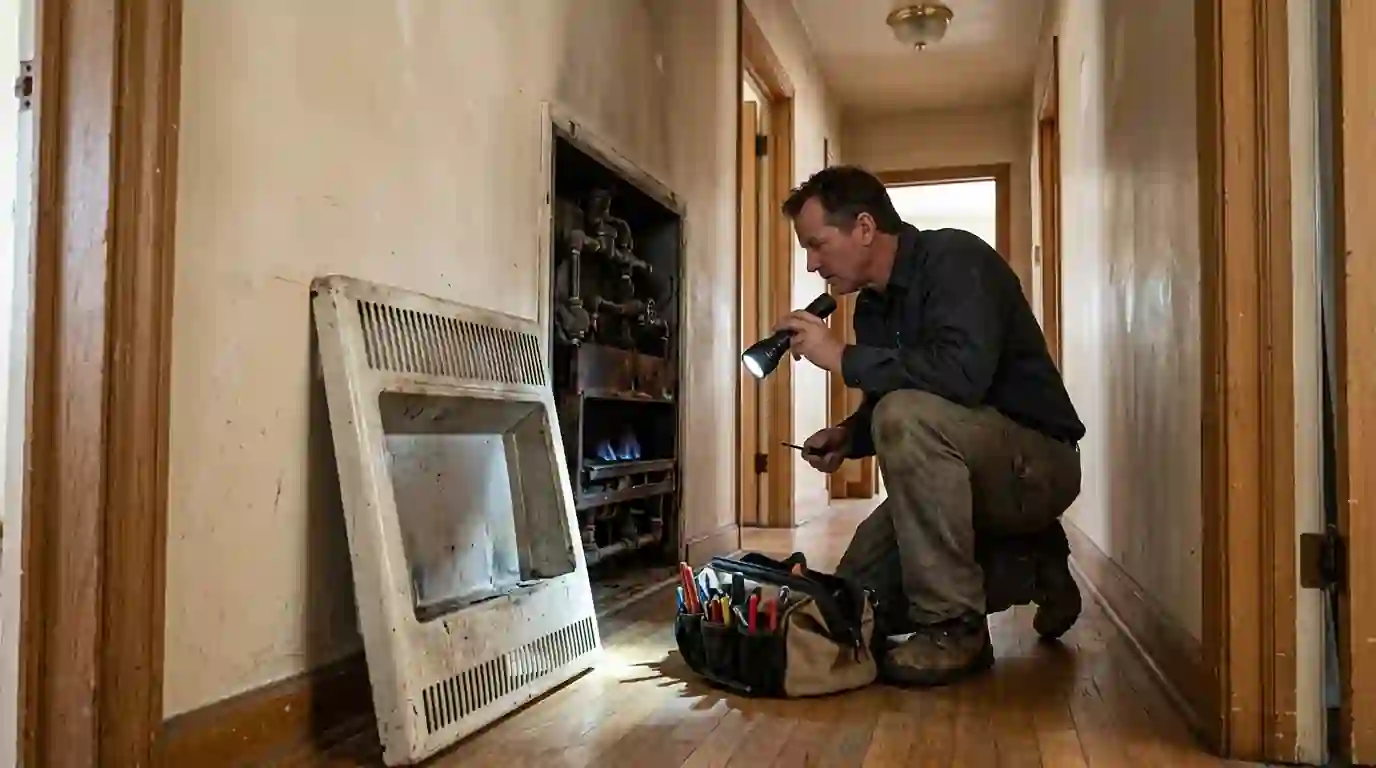
Walk through enough older homes in Pasadena, Altadena, South Pasadena or Alhambra and you will see the same thing in the hallway: a gas wall furnace with a metal grille, sometimes original to the house. Many date from the 1940s through the 1970s, and some are older. They are simple heaters that can run for decades, but they burn gas inside a wall cavity, and age brings real risks.
Fall is the time to check one, before the first night in the 30s or 40s when you turn it on after months of sitting idle. Here is what a homeowner can safely look at, what a technician checks on a service visit, and how to tell when an old wall furnace has reached the end of its useful life.
A wall furnace burns gas in a small combustion chamber behind the front panel. Room air passes over the outside of a heat exchanger and comes back out the grille warm, either by natural convection or with a small fan. The combustion gases stay inside the heat exchanger and rise through a vent pipe that runs up inside the wall to a cap on the roof. Many older models use a standing pilot light that burns all the time.
The key safety idea is that combustion gases and room air never mix. When the heat exchanger cracks, the vent pipe separates, or the vent cap is blocked, combustion gases including carbon monoxide can spill into the room. That is why a wall furnace needs more attention than its simple design suggests. Older units also lack many of the safety controls found on modern furnaces, such as sensors that shut the burner down when venting fails, so a yearly inspection does more of the work that newer controls handle automatically.
With the furnace off and cool, look at the grille and the area around it. Dust and lint build up on the grille and inside the cabinet over summer, and that dust burns off with a smell the first time the unit runs. Vacuum the grille gently. Look for scorch marks on the wall or ceiling above the unit, which can mean it has overheated or vented poorly in the past.
Check the clearance in front of the furnace. Furniture, curtains, laundry baskets and stored boxes need to stay well away from the grille, since the front gets very hot. Make sure a working carbon monoxide alarm is installed nearby and in sleeping areas, and test it. Replace batteries or the whole alarm if it is past its replacement date printed on the back.
Some signs mean the furnace should stay off until a technician sees it. A yellow, lazy or flickering flame instead of a steady blue one can mean poor combustion. Soot around the burner area or on the grille is another warning. A strong gas smell means leave the house and call SoCalGas from outside. Headaches, dizziness or nausea that ease when you leave the house can be a sign of carbon monoxide, and a CO alarm going off always means get out first and call for help.
Other symptoms are less urgent but still need attention: a pilot that keeps going out, a burner that lights with a loud whoosh or bang, or a fan that squeals. These usually point to a dirty pilot assembly, a failing thermocouple, a gas valve problem or worn motor bearings. A delayed, loud ignition in particular can stress the heat exchanger over time, so it is worth having it looked at before the coldest weeks of the year rather than living with it all winter.
On a service visit, our technician removes the front panel and cleans the burner and pilot assembly. They check the flame pattern and test the thermocouple or flame sensor. They inspect the heat exchanger for cracks or rust-through as far as it can be seen, check the vent connection at the top of the unit, and test for carbon monoxide at the grille with the furnace running.
They also check the gas valve and connector, look at the thermostat or wall control, and test the fan if the model has one. If something is unsafe, they explain what they found and shut off the unit if needed, rather than leaving a hazard running. You get a clear picture of whether the furnace is safe for the winter, needs a repair, or is due for replacement.
A wall furnace with a cracked heat exchanger is not a candidate for repair. Neither is one with a badly corroded vent that cannot be safely reconnected. Parts for some older models are also getting hard to find. In those cases, replacement is the safe answer. Smaller fixes such as a new thermocouple, a pilot cleaning or a fan motor are often worth doing on a unit that is otherwise sound.
When replacement comes up, you have options. A new direct vent wall furnace vents through the outside wall and draws combustion air from outside, which keeps combustion separate from the room. A ductless heat pump mini-split can replace the wall furnace and add cooling at the same time, which many Pasadena homeowners appreciate during summer heat waves. We handle the permit where the city requires one.
The best time for a wall furnace check is late September through October, before demand picks up and before the first night that really calls for heat. Fire it up briefly on a mild afternoon with a window cracked so any dust burns off while you are watching. If anything looks or smells wrong, shut it off and call. A faint burning dust smell for the first few minutes is normal after a long idle summer. A smell that persists, a sharp chemical odor, or visible smoke from the grille is not, and the unit should stay off until a technician has looked at it.
Our technicians service and replace wall furnaces across Pasadena and the San Gabriel Valley, including the older models common in postwar homes. If the unit needs a part, they tell you whether it is still available before recommending a repair. We quote the price before we start the work. If you are thinking about a heat pump replacement, ask about current PWP, SCE or SoCalGas rebates and state heat pump incentives when funding is open. Call (626) 879-0711 any time, day or night.
Related services
Pilot lights, thermocouples, gas valves and fans on gravity and fan-type wall furnaces, with a venting and CO check every visit.
Learn moreA fall furnace tune-up that cleans the burners and flame sensor, tests every safety and checks for carbon monoxide before winter.
Learn moreDuctless heat pumps for Craftsman bungalows, additions, converted garages and hot upstairs rooms, with head styles chosen room by room.
Learn moreQuestions
Once a year, ideally in early fall before regular use starts. Older wall furnaces sit idle through Pasadena's long warm season, so dust collects on the burner and pilot, and small problems like a weak thermocouple or a loose vent connection can go unnoticed. An annual visit cleans the burner, checks the flame and vent, and tests for carbon monoxide at the grille, which matters more as the unit ages.
The most common causes are a dirty pilot orifice, a worn thermocouple or a draft blowing the flame. After a long summer of sitting idle, dust and spider webs often clog the pilot. A failing thermocouple stops sensing the flame and shuts the gas off. A technician can clean the pilot assembly, test the thermocouple and check the gas valve. If the pilot burns yellow or sooty, keep the unit off until it is checked.
Yes, and it is a common choice. A heat pump mini-split head can go on the same wall or nearby, and the old wall furnace is removed and its gas line capped. The mini-split heats in winter and cools in summer, which helps during inland heat waves. The technician checks the electrical panel, picks a location for the outdoor unit and plans the line set route before quoting the job.
Keep reading
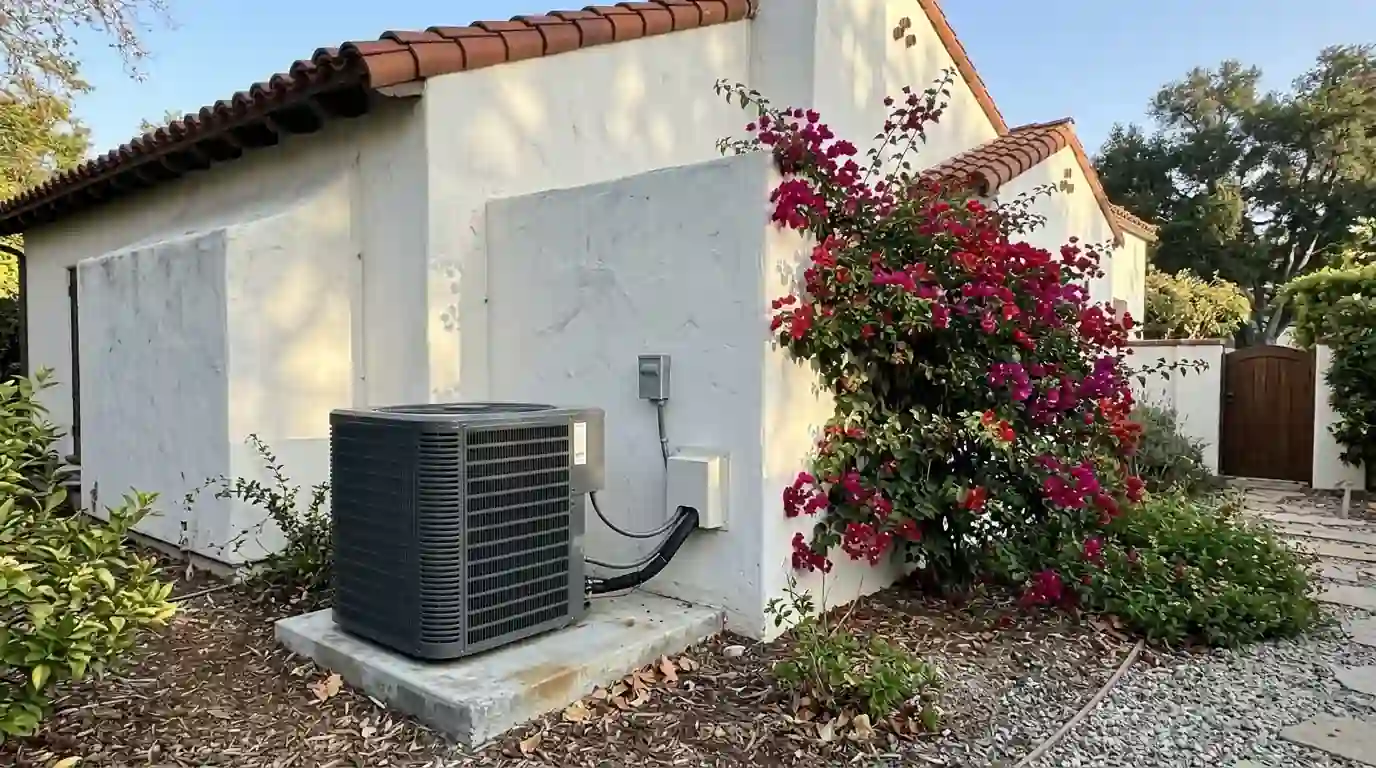
Pasadena's mild winters and hot summers make heat pumps a strong fit, but a gas furnace still makes sense in some homes. Here is how to weigh climate, electrical capacity, ducts and rebates.
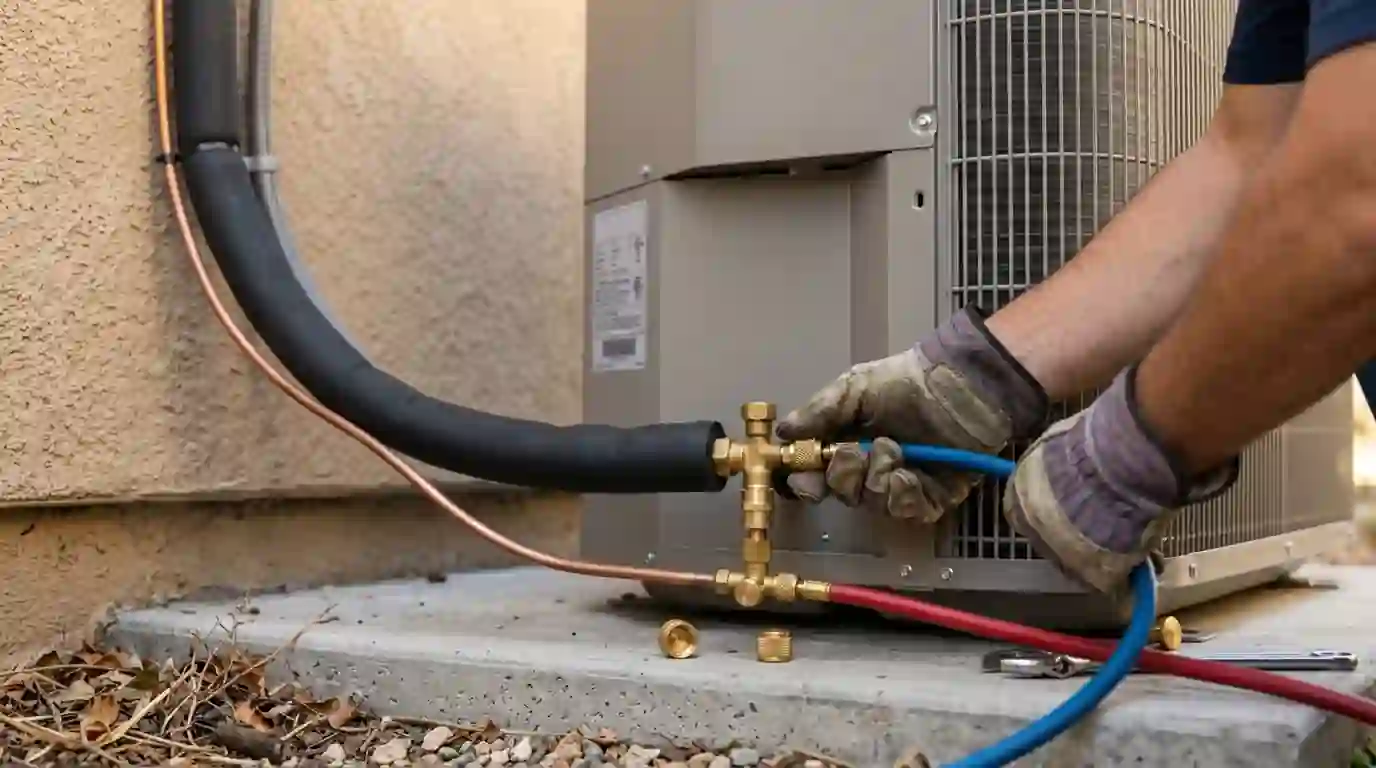
New residential AC and heat pump equipment now uses lower-GWP A2L refrigerants such as R-454B and R-32. Here is what changed, what it means for your existing R-410A system and what to expect at replacement.
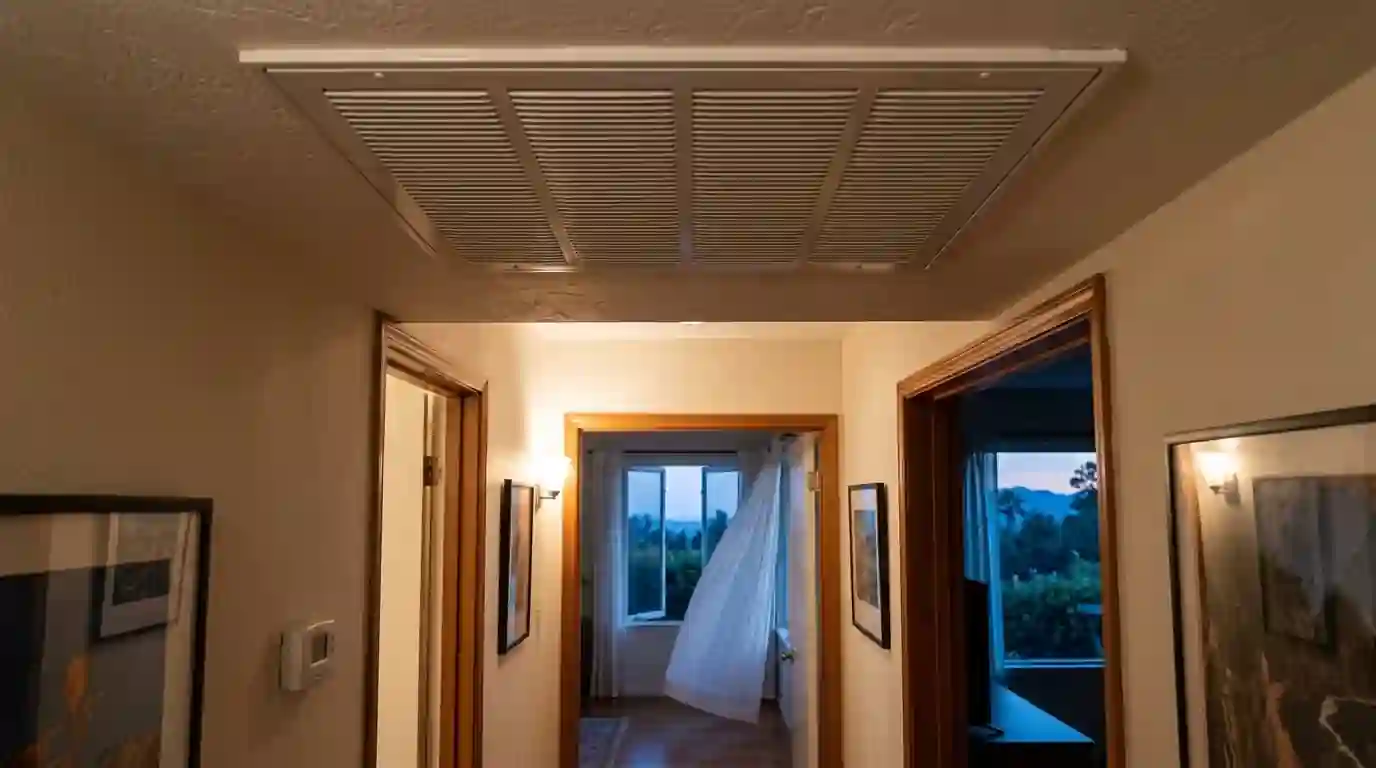
Pasadena often cools off fast after sunset. A whole house fan can flush the day's heat out cheaply, but it is not a substitute for AC on every night. Here is how to choose and how to use both.
Call our Pasadena line any hour. A person answers, asks a few questions about the system, and gives you an arrival window.