AC Tune-Up & Maintenance
A spring tune-up that cleans the coils, tests the capacitor and contactor, clears the drain and checks the charge before summer hits.
Learn moreCooling
AC RepairAC InstallationAC ReplacementAC Tune-Up & MaintenanceRefrigerant Leak RepairAC Compressor ReplacementEvaporator Coil ReplacementAC Water Leak & Drain Line RepairHeating
Furnace RepairFurnace InstallationFurnace ReplacementFurnace Tune-Up & MaintenanceWall Furnace RepairFloor Furnace ReplacementBoiler & Radiant Heat RepairHeat Pumps & Ductless
Heat Pump RepairHeat Pump InstallationHeat Pump MaintenanceGas Furnace to Heat Pump ConversionDuctless Mini-Split InstallationDuctless Mini-Split RepairADU Heating & CoolingDucts & Attic
Duct RepairDuctwork ReplacementAir Duct CleaningDuct Sealing & Leak TestingWhole House Fan InstallationAttic InsulationIndoor Air
Indoor Air Quality TestingWhole-Home Air PurifiersUV Air SanitizersWhole-Home HumidifiersSystems & Commercial
Smart Thermostat InstallationHVAC Zoning SystemsFull HVAC System ReplacementHVAC InspectionHVAC Maintenance Plans24/7 Emergency HVAC RepairCommercial HVAC RepairCommercial HVAC MaintenanceRooftop & Package Unit RepairPasadena
Pasadena (all of the city)Bungalow HeavenMadison HeightsSan RafaelLinda VistaHastings RanchOak KnollAnnandaleProspect ParkHistoric HighlandsGarfield HeightsLamanda ParkSouth ArroyoChapman WoodsNearby cities
AltadenaSouth PasadenaSan MarinoArcadiaSierra MadreMonroviaDuarteGlendaleLa Canada FlintridgeLa CrescentaBurbankAlhambraSan GabrielTemple CityMonterey ParkRosemeadEl MonteAzusaGlendoraCovinaWest CovinaLos AngelesMontroseTujungaBaldwin ParkSouth El MonteMontebelloWhittierHacienda HeightsRowland HeightsLa PuenteWalnutDiamond BarSan DimasLa VerneClaremontPomonaUplandRancho CucamongaOntarioMontclairChino HillsBreaFullertonCounties
Los Angeles CountySan Bernardino CountyOrange CountySystems & Commercial in Pasadena, CA
Two visits a year, cooling in spring and heating in fall, so small problems get caught before a heat wave or a cold night.
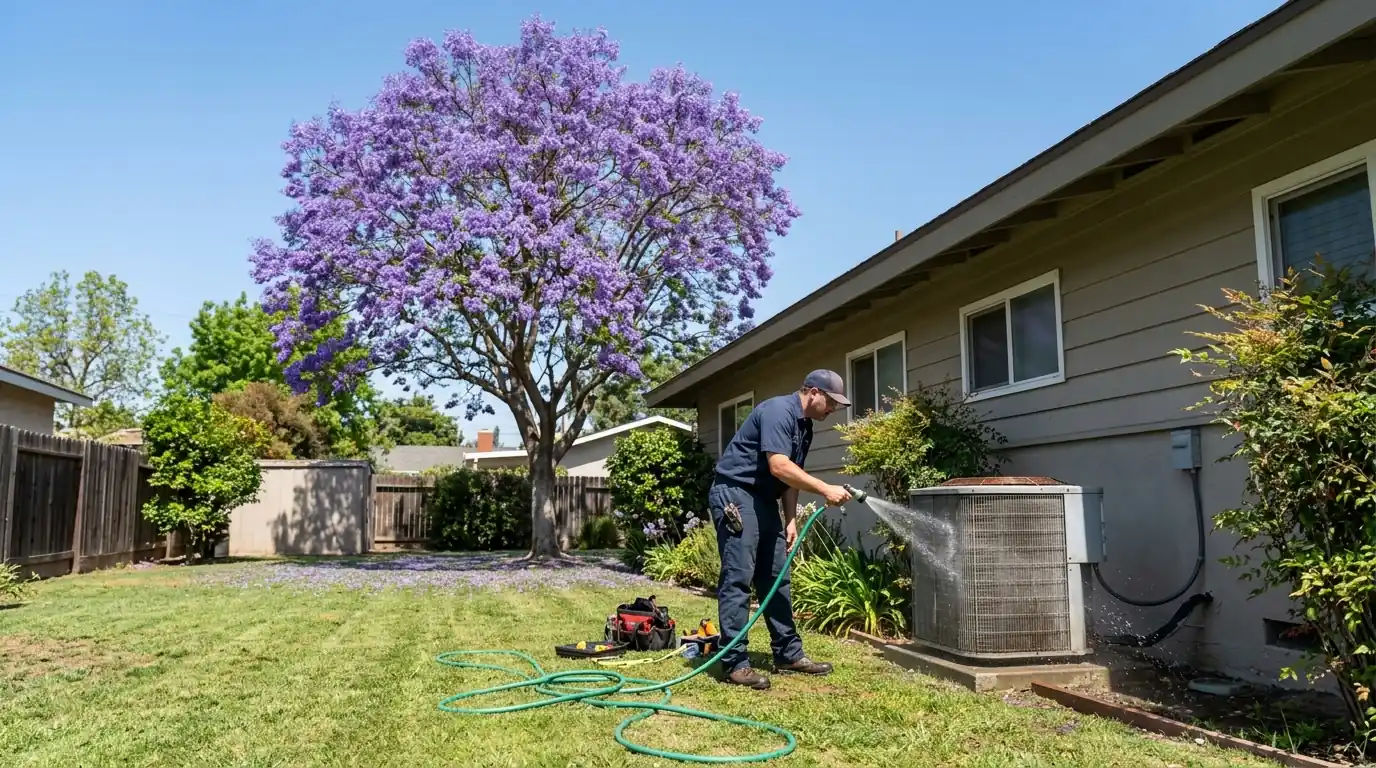
A maintenance plan schedules two visits a year: a cooling tune-up in spring before the heat arrives and a heating check in fall before cold nights. Each visit covers cleaning, measurements, safety checks and written notes on anything wearing out. Typical plans in Pasadena run $187 to $347 a year for one system. Call (626) 879-0711 to set one up.
HVAC Maintenance Plans
Most HVAC breakdowns we see on 100 degree afternoons started months earlier: a capacitor losing strength, a condenser coil packed with dust, leaves and pollen, a clogged drain line that finally backs up into the ceiling. Winter works the same way, with a dirty flame sensor that shuts the furnace down on the first cold night of the year. A maintenance plan puts a technician in front of the equipment twice a year, at the right times, so these things get found while they are still cheap.
Marco's plans are simple. You pick the plan that matches your equipment, you get a reminder when each spring and fall visit is due, and the same checklist runs every time so changes are easy to spot. Plans cover furnaces, air conditioners, heat pumps and ductless systems, and homes with an ADU can add the second system. There is nothing to manage on your side except letting us in. Call (626) 879-0711 with questions about what fits your home.
Warning signs
If nobody has opened the equipment in two or three years, the coils, drains and electrical parts have been aging without a check. One tune-up helps, and a schedule helps more.
Breakdowns during heat waves or the first cold week of the year often trace back to parts that showed wear months earlier. Scheduled visits catch them in mild weather.
Dust, Santa Ana winds and smoke season load filters quickly. A plan visit replaces or checks the filter and sets a realistic change schedule for your house.
Heat pumps run in both seasons, so they log more hours than an AC alone. Two visits a year check the reversing valve, defrost controls and coil for both modes.
A slow drip from a clogged condensate line can stain ceilings and grow mold in an attic. Clearing the drain each spring prevents most of these leaks.
Systems that are cleaned and checked on schedule tend to run longer and closer to their rated efficiency than ones that only see a technician when something fails.
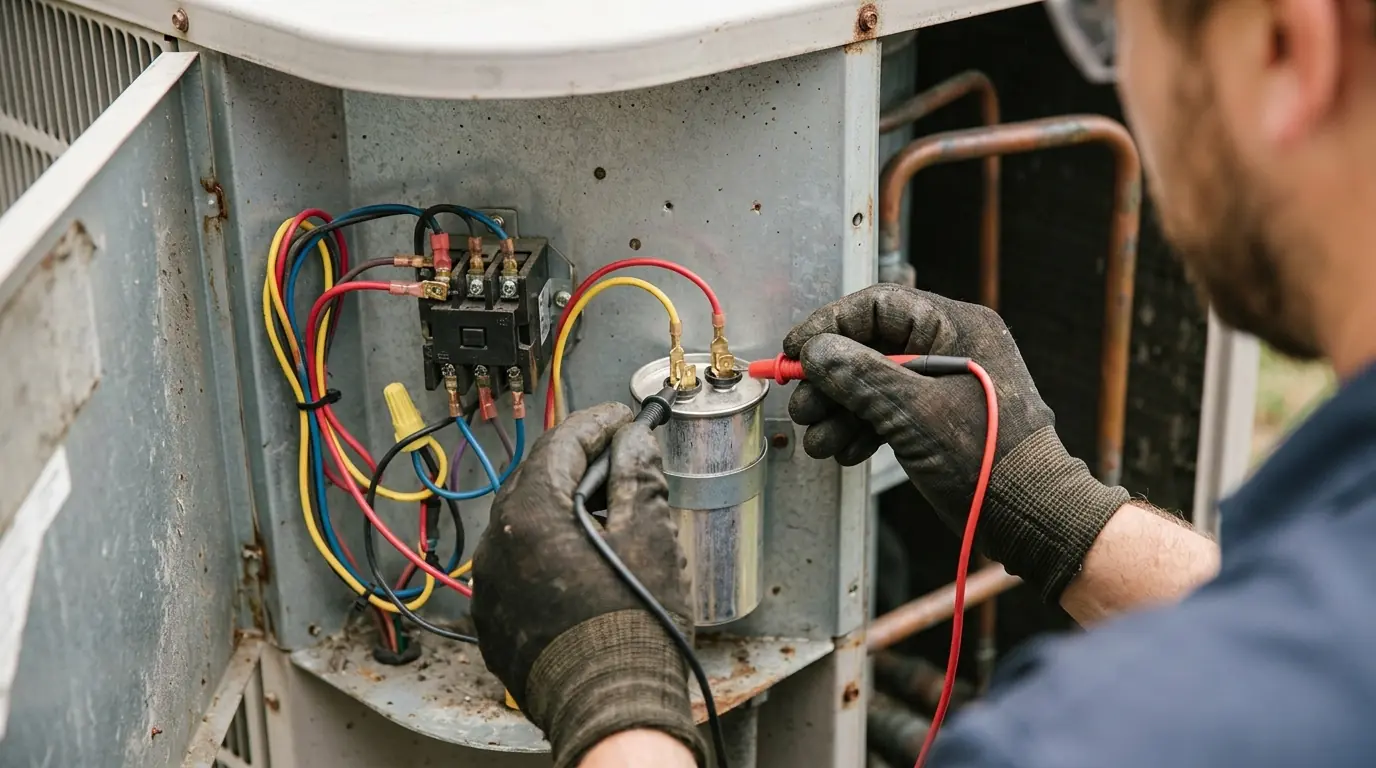
The spring visit happens in March, April or May, before Pasadena's first real heat. We clean the outdoor condenser coil, which collects dust, leaves and pollen through winter, and check the fan motor, contactor and capacitor. A weak capacitor is one of the most common reasons an AC fails to start on the first hot day, and it shows up on a meter before it fails. We measure refrigerant line temperatures and the temperature split across the indoor coil to spot low charge or airflow problems.
Inside, we check the evaporator coil where it can be reached, flush the condensate drain and test the float switch, inspect the blower, and replace or check the filter. Heat pumps also get a check of the reversing valve. You get notes on anything that looks worn, with a price, and nothing is replaced without your approval.
The fall visit happens in September, October or November, before the first nights in the 30s and 40s. On a gas furnace, we check ignition, clean the flame sensor, inspect the burners, test the inducer motor and pressure switch, check the flue and draft, and inspect the heat exchanger where it can be seen. A combustion analyzer reads carbon monoxide in the flue gas, and we check CO levels near the appliance. Limit switches are tested so the furnace shuts down if it ever overheats.
Heat pumps get a heating mode check, including defrost operation and backup heat. Wall furnaces get a pilot and thermocouple check and a look at the venting. Fall is also when we talk about filters for the winter and any smoke residue left from the summer and fall fire season.
A plan covers one system with two visits a year, and additional systems such as an ADU mini-split or an upstairs unit can be added. Plan members get priority scheduling for repairs, so a member calling during a heat wave is placed ahead of routine new appointments. Repairs found during or between visits are always priced before any work starts. The written notes from each visit build a record of your system over time, which helps when deciding between repair and replacement and when selling the house.
Some manufacturers ask for proof of regular maintenance when an equipment warranty claim is made, and keeping records from each visit protects you there. Registering new equipment with the manufacturer matters too. We keep visit records on file for every plan member, so a lost receipt is not a problem.
Step by step
You get a reminder when each spring or fall visit is due, then call (626) 879-0711 to pick a time. Morning slots fill first in summer, so early spring is easiest.
The technician asks how the system has run since the last visit: noises, smells, rooms that lag, higher bills or water stains. That points the check where it matters most.
Coils, drains, burners and sensors get cleaned as needed. Electrical parts, refrigerant readings, gas combustion and airflow are measured and compared with the last visit's numbers.
Carbon monoxide, flue draft, limit switches, condensate safety switches and electrical connections are tested, because these protect the house and the people in it.
You get written notes on the condition of each part checked, with any recommended repairs priced up front. Nothing is replaced unless you approve it.
Typical prices
Plan prices depend on the type and number of systems. A single furnace with an AC is the most common setup, while heat pumps and ductless units with several indoor heads take longer per visit. These are typical 2026 ranges in the Pasadena area, and we tell you the price before you sign up for a plan.
| Job | Typical range | What is included |
|---|---|---|
| Furnace and AC, one system | $187 to $289 a year | Spring cooling and fall heating visits, filter check and written notes |
| Heat pump system | $197 to $309 a year | Both modes checked at each visit, including defrost and backup heat |
| Ductless mini-split, per outdoor unit | $167 to $347 a year | Indoor heads cleaned at each visit, more heads add time |
| Added system or ADU unit | $129 to $197 a year | Second system covered during the same spring and fall visits |
High-efficiency filters, media cabinets, UV lamps and humidifier pads are priced separately when they need replacing. Hard-to-reach attics or rooftop equipment can add time. Repairs found during a visit are always quoted before any work starts. Compare other jobs in our Pasadena HVAC price guide.
Pasadena's climate puts more strain on cooling than on heating. Inland summer days often run in the high 90s and can top 100, and an AC may run most of the afternoon for weeks. Late summer and fall bring Santa Ana winds that drive dust into outdoor coils and attic returns, and wildfire smoke can clog a filter in days. That is why the spring visit focuses on coil cleaning and electrical parts, and why we often suggest checking filters monthly from August through November.
Heating season is shorter but still matters. Clear winter nights in the 30s and 40s, especially near the foothills in Altadena, Sierra Madre and La Canada Flintridge, mean furnaces run every evening for months. Older homes often have furnaces in tight closets or attics where dust builds up around the burners. Homes near the Eaton Fire area may still carry ash in their ducts, and a maintenance visit is a good time to check for it.
Related work
A spring tune-up that cleans the coils, tests the capacitor and contactor, clears the drain and checks the charge before summer hits.
Learn moreA fall furnace tune-up that cleans the burners and flame sensor, tests every safety and checks for carbon monoxide before winter.
Learn moreA two-mode tune-up for Pasadena heat pumps: coil cleaning, electrical tests, defrost checks, drain flushing and a clear report on condition.
Learn moreA detailed check of the furnace, AC, ducts and venting with a plain written report, useful before buying an older Pasadena home.
Learn moreOur technicians handle this work all over Pasadena and the surrounding San Gabriel Valley. A few of the places we cover:
Questions
Spring visits work best from March through early May, before the first 90 degree days. Fall visits fit best from September through November, before nights drop into the 30s and 40s. Booking early in each window gives you more time choices and leaves room to fix anything we find before the season starts. If your plan starts mid-year, the first visit covers whichever season is next.
Each visit includes checking and replacing a standard filter. Thicker media filters, high-efficiency filters and specialty filters cost more and are priced separately when they need replacing. Between visits, filters should be checked monthly during smoke season and windy months. We can show you how to change your filter and set a reminder schedule that fits your house.
Yes. A backyard unit, guest house or converted garage with its own mini-split or small furnace can be added to the same plan. Both systems are checked during the same spring and fall visits, which saves time. Mini-splits with several indoor heads take longer, because each head needs its filters, coil and drain checked, so the price reflects the number of heads.
New systems need fewer repairs, but they still collect dust, drains still clog, and some manufacturers ask for proof of regular maintenance when a warranty claim is made. Regular visits also catch installation issues early, such as a drain sloped the wrong way or a refrigerant charge that drifts. For a new system, the plan is mostly about keeping it running as designed and keeping a service record.
You get a clear explanation of what is wrong, what it affects and the price to fix it, before anything is done. Small fixes such as tightening a connection or clearing a drain are part of the visit. Larger repairs, like a capacitor, motor or igniter, are quoted and can often be done the same visit if the part is on the truck. You decide.
Call our Pasadena line any hour. A person answers, asks a few questions about the system, and gives you an arrival window.