Duct Sealing & Leak Testing
We measure duct leakage with a calibrated fan, seal joints with mastic, and test again so you see the actual improvement.
Learn moreCooling
AC RepairAC InstallationAC ReplacementAC Tune-Up & MaintenanceRefrigerant Leak RepairAC Compressor ReplacementEvaporator Coil ReplacementAC Water Leak & Drain Line RepairHeating
Furnace RepairFurnace InstallationFurnace ReplacementFurnace Tune-Up & MaintenanceWall Furnace RepairFloor Furnace ReplacementBoiler & Radiant Heat RepairHeat Pumps & Ductless
Heat Pump RepairHeat Pump InstallationHeat Pump MaintenanceGas Furnace to Heat Pump ConversionDuctless Mini-Split InstallationDuctless Mini-Split RepairADU Heating & CoolingDucts & Attic
Duct RepairDuctwork ReplacementAir Duct CleaningDuct Sealing & Leak TestingWhole House Fan InstallationAttic InsulationIndoor Air
Indoor Air Quality TestingWhole-Home Air PurifiersUV Air SanitizersWhole-Home HumidifiersSystems & Commercial
Smart Thermostat InstallationHVAC Zoning SystemsFull HVAC System ReplacementHVAC InspectionHVAC Maintenance Plans24/7 Emergency HVAC RepairCommercial HVAC RepairCommercial HVAC MaintenanceRooftop & Package Unit RepairPasadena
Pasadena (all of the city)Bungalow HeavenMadison HeightsSan RafaelLinda VistaHastings RanchOak KnollAnnandaleProspect ParkHistoric HighlandsGarfield HeightsLamanda ParkSouth ArroyoChapman WoodsNearby cities
AltadenaSouth PasadenaSan MarinoArcadiaSierra MadreMonroviaDuarteGlendaleLa Canada FlintridgeLa CrescentaBurbankAlhambraSan GabrielTemple CityMonterey ParkRosemeadEl MonteAzusaGlendoraCovinaWest CovinaLos AngelesMontroseTujungaBaldwin ParkSouth El MonteMontebelloWhittierHacienda HeightsRowland HeightsLa PuenteWalnutDiamond BarSan DimasLa VerneClaremontPomonaUplandRancho CucamongaOntarioMontclairChino HillsBreaFullertonCounties
Los Angeles CountySan Bernardino CountyOrange CountyDucts & Attic in Pasadena, CA
Air sealing first, then blown-in insulation to the right depth, so your ceilings stop radiating attic heat into the rooms.
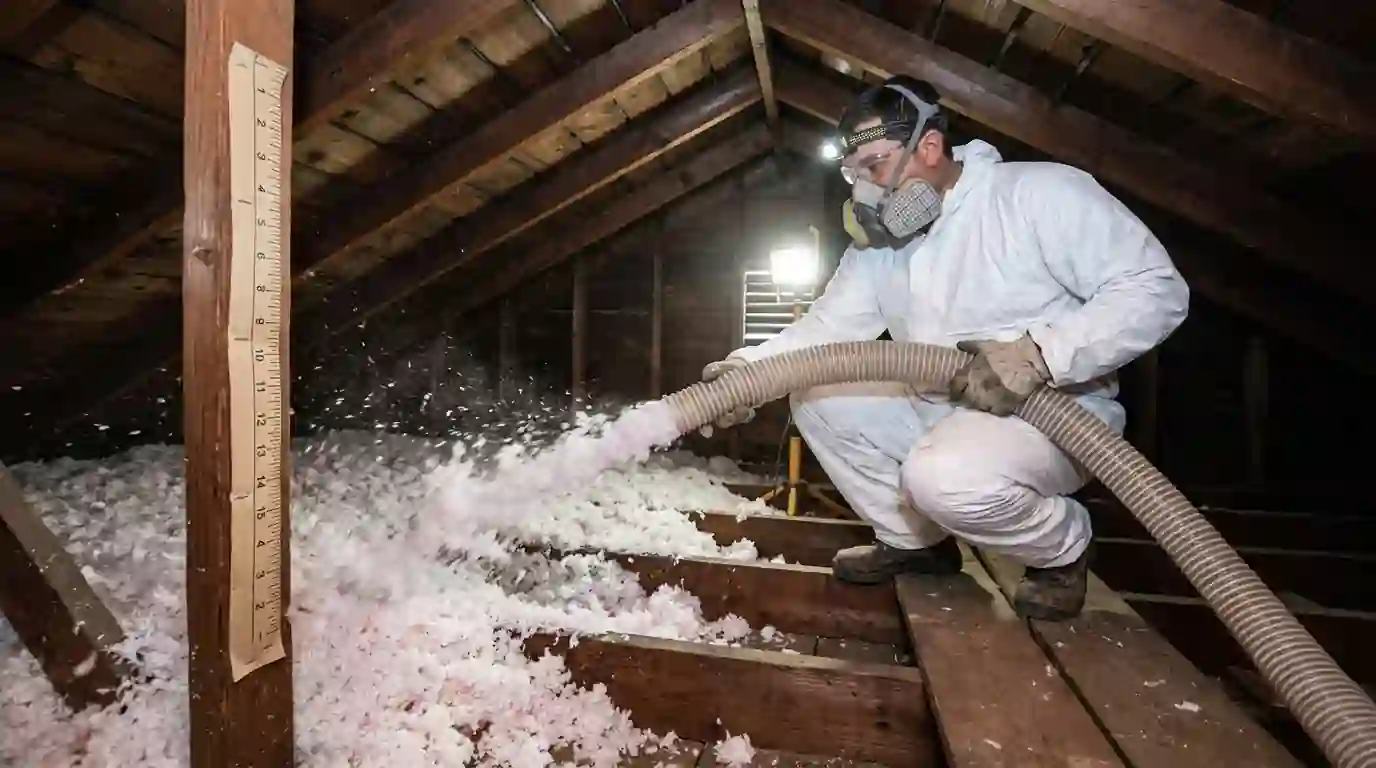
Most older Pasadena attics have far less insulation than current guidelines call for, often a thin, compressed layer from decades ago. Adding blown-in fiberglass or cellulose to around R-38 or more, after sealing the gaps around lights, wiring and the attic hatch, slows the heat moving through the ceiling. The AC runs less in summer and the furnace less on cold nights.
Attic Insulation
On a summer afternoon a Pasadena attic gets far hotter than the air outside, and that heat pushes down through the ceiling into the rooms below for hours after sunset. Insulation is what slows it down. Many homes here have a few inches of old batts or loose fill that has settled, been trampled by installers, or been fouled by rodents. In some Craftsman bungalows there is almost nothing at all. The result is ceilings that feel warm to the touch at night and an AC that cannot catch up.
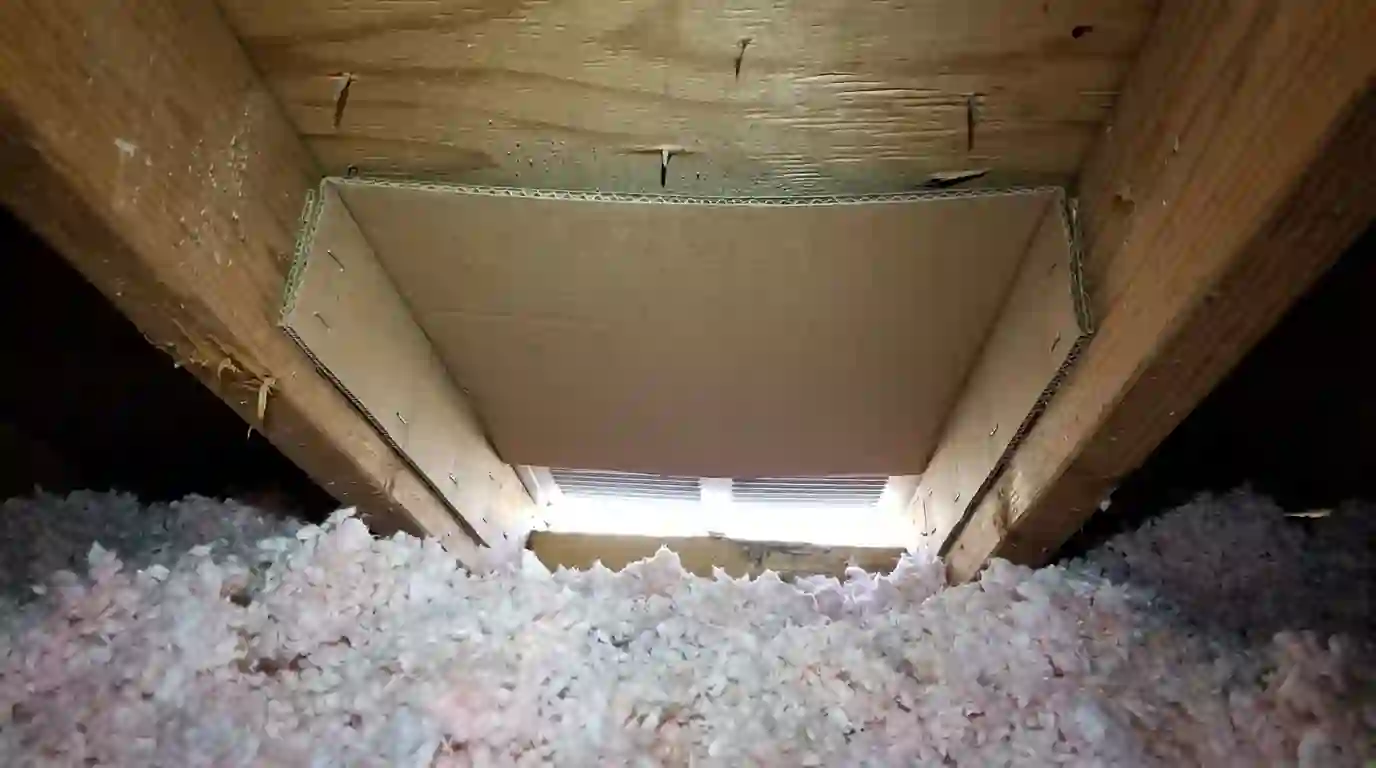
Marco's handles attic insulation as part of the whole heating and cooling picture, because the attic is also where your ducts live. We measure what is there, check for rodent damage and moisture, seal the air leaks that let attic air into the house, and then blow in new insulation to a consistent depth. We keep soffit vents clear with baffles, build a dam around the hatch, and keep insulation the correct distance from any recessed lights or flues that need clearance.
Warning signs
If ceilings in upstairs rooms or under the roof feel warm to your palm at 9 p.m. on a summer evening, attic heat is moving straight through them.
When the tops of the ceiling joists are visible above the insulation, the attic likely has well under R-19, far below what a hot inland climate calls for.
Patches pushed aside by cable, solar or pest crews, or flattened walkways, leave bare drywall that lets heat through in spots.
Rats tunnel through loose insulation and contaminate it. Fouled insulation loses value and should usually be removed before new material goes in.
When winter nights drop into the 30s and 40s and the furnace runs constantly, a thin attic layer is often letting heat escape upward.
High bills in both seasons, without a matching change in thermostat habits, often trace back to the ceiling being the weakest part of the house.
R-value measures how well insulation resists heat flow. Higher is better. Many older homes here sit somewhere around R-11 to R-19 in the attic, and some have less. Current California guidance for attic floors in our climate generally points to R-38 or higher when insulation is added. In blown-in fiberglass that usually means roughly 12 to 16 inches of depth, depending on the product.
Ducts in the attic have their own rating. Current code generally calls for R-8 insulated ducts in unconditioned attics, while older flex was often R-4 or R-6. When we add insulation we also look at the ducts, because burying a leaky, thinly insulated duct does not fix it. Sealing and repairing the ducts first, then insulating around them, gives the best result.
Loose fill insulation slows heat, but it does not stop air. Warm attic air and dust flow down through gaps around recessed lights, plumbing vents, wiring holes, the top plates of interior walls and the attic hatch. Sealing those gaps with foam, caulk and fire-rated sealant where needed makes the new insulation work as intended and also keeps Santa Ana dust and wildfire smoke from drifting in through the ceiling.
Blown-in fiberglass and cellulose are the two common choices for attic floors. Fiberglass is light, does not settle much, and does not absorb moisture. Cellulose is made from recycled paper treated for fire resistance, is denser, and fills around wiring and framing well. Both are blown in through a hose from a machine outside, which avoids long hours of hand work in a hot attic. We explain the tradeoffs and let you pick.
When the old insulation is contaminated by rodents or soot, or soaked from a roof leak, we recommend vacuuming it out before adding new. A high-powered removal vacuum pulls the old material into bags outside. If we find vermiculite, a gray-brown pebbly loose fill used in some older homes, we leave it alone and recommend testing, since some vermiculite contains asbestos.
Step by step
We measure the current depth in several spots, check for rodent damage, moisture, old vermiculite and knob-and-tube wiring, and look at the ducts and vents.
You get a plan with target R-value, material choice, any removal and air sealing, and the price before we start the work.
If needed, old insulation is vacuumed out. Then we seal penetrations, install vent baffles at the eaves, and set dams around the hatch and flues.
Fiberglass or cellulose is blown in from the truck to an even depth, with depth markers stapled to framing so you can see the final level.
We clean the entry path, close up the hatch with its insulated cover, and leave a card in the attic showing material, depth and R-value.
Typical prices
Attic insulation is priced mostly by square footage, target R-value and whether old material must come out first. Air sealing and baffles add time but make a large difference in results. These are typical 2026 ranges for a common single-story home, and the final price comes after the technician sees the attic.
| Job | Typical range | What is included |
|---|---|---|
| Top-off blown-in insulation to R-38 | $1,385 to $2,840 | For about 1,200 to 1,800 sq ft of attic with existing insulation left in place |
| Air sealing and baffles | $587 to $1,265 | Penetrations sealed, eave baffles, hatch dam and insulated hatch cover |
| Old insulation removal | $1,240 to $2,690 | Vacuum removal of rodent-fouled, soot-damaged or water-damaged material |
| Full remove, seal and re-insulate | $3,165 to $5,870 | Complete attic refresh, often paired with duct repair or replacement |
Price moves with attic size and height, existing depth, the material chosen, the number of penetrations to seal, recessed lights that need covers, and whether removal or testing of old material is needed. Compare other jobs in our Pasadena HVAC price guide.
Pasadena's older neighborhoods are full of homes built long before insulation was standard. A 1910s Craftsman in Bungalow Heaven or Garfield Heights may have a shallow attic with almost nothing on the ceiling, sometimes with old knob-and-tube wiring that should be checked before insulation goes over it. Spanish Revival homes in San Rafael or South Arroyo may have little attic space at all, which makes careful air sealing even more important. Postwar ranch homes usually have more room and easier access, but their insulation is often thin and flattened.
The climate rewards a good attic in both seasons. Inland summers push into the high 90s and over 100 F, and winter nights can drop into the 30s, especially near the foothills. Homes in Altadena and northeast Pasadena that took in smoke and ash during the Eaton Fire may also have soot in the attic insulation, which can hold odor. Ask about current PWP, SCE or SoCalGas rebates for insulation and air sealing when funding is open.
Related work
We measure duct leakage with a calibrated fan, seal joints with mastic, and test again so you see the actual improvement.
Learn moreQuiet, insulated whole house fans that pull cool evening air through your home and flush the hot attic, with venting sized right.
Learn moreWe find crushed, torn and disconnected attic ducts, fix them with mastic and new flex, and check airflow before we leave.
Learn moreSwap a worn-out air conditioner for a correctly sized SEER2 system, with duct testing and permit work handled in one job.
Learn moreOur technicians handle this work all over Pasadena and the surrounding San Gabriel Valley. A few of the places we cover:
Questions
For attic floors in our inland climate, current California guidance generally points to R-38 or higher when insulation is added. In blown-in fiberglass, that is usually about 12 to 16 inches of depth, depending on the product. Many older Pasadena homes have R-11 to R-19 or less. We measure what you have and tell you how much needs to be added to reach the target.
Not always. If the old insulation is dry and clean, new material can go right on top. If it is fouled by rodents, damaged by soot after a fire, or soaked from a roof leak, we recommend removing it first, because contamination and odor stay with it. If we see vermiculite, we leave it in place and recommend lab testing before anything else.
Both, but the summer benefit is usually the bigger one here. A hot attic pushes heat down through the ceiling all afternoon and evening, and good insulation slows that a lot. In winter, when nights drop into the 30s and 40s, the same insulation keeps furnace heat from escaping upward. Air sealing adds to both by stopping attic air from leaking in.
Yes, insulation can be blown around and over attic ducts, and partly burying ducts can help reduce heat gain. But it is a bad idea to bury leaky or disconnected ducts, because the problems become harder to find and fix. We check and seal the ducts first, repair any damage, and keep access paths so the system can still be serviced later.
A top-off with air sealing in a single-story home usually takes most of one day. If old insulation has to be removed first, plan on one to two days. Blowing in new material goes quickly, since it is pumped from the truck through a hose. In summer we start early in the morning so the attic work finishes before the space gets dangerously hot.
Call our Pasadena line any hour. A person answers, asks a few questions about the system, and gives you an arrival window.