HVAC Maintenance Plans
Two visits a year, cooling in spring and heating in fall, so small problems get caught before a heat wave or a cold night.
Learn moreCooling
AC RepairAC InstallationAC ReplacementAC Tune-Up & MaintenanceRefrigerant Leak RepairAC Compressor ReplacementEvaporator Coil ReplacementAC Water Leak & Drain Line RepairHeating
Furnace RepairFurnace InstallationFurnace ReplacementFurnace Tune-Up & MaintenanceWall Furnace RepairFloor Furnace ReplacementBoiler & Radiant Heat RepairHeat Pumps & Ductless
Heat Pump RepairHeat Pump InstallationHeat Pump MaintenanceGas Furnace to Heat Pump ConversionDuctless Mini-Split InstallationDuctless Mini-Split RepairADU Heating & CoolingDucts & Attic
Duct RepairDuctwork ReplacementAir Duct CleaningDuct Sealing & Leak TestingWhole House Fan InstallationAttic InsulationIndoor Air
Indoor Air Quality TestingWhole-Home Air PurifiersUV Air SanitizersWhole-Home HumidifiersSystems & Commercial
Smart Thermostat InstallationHVAC Zoning SystemsFull HVAC System ReplacementHVAC InspectionHVAC Maintenance Plans24/7 Emergency HVAC RepairCommercial HVAC RepairCommercial HVAC MaintenanceRooftop & Package Unit RepairPasadena
Pasadena (all of the city)Bungalow HeavenMadison HeightsSan RafaelLinda VistaHastings RanchOak KnollAnnandaleProspect ParkHistoric HighlandsGarfield HeightsLamanda ParkSouth ArroyoChapman WoodsNearby cities
AltadenaSouth PasadenaSan MarinoArcadiaSierra MadreMonroviaDuarteGlendaleLa Canada FlintridgeLa CrescentaBurbankAlhambraSan GabrielTemple CityMonterey ParkRosemeadEl MonteAzusaGlendoraCovinaWest CovinaLos AngelesMontroseTujungaBaldwin ParkSouth El MonteMontebelloWhittierHacienda HeightsRowland HeightsLa PuenteWalnutDiamond BarSan DimasLa VerneClaremontPomonaUplandRancho CucamongaOntarioMontclairChino HillsBreaFullertonCounties
Los Angeles CountySan Bernardino CountyOrange CountyCooling in Pasadena, CA
A spring tune-up that cleans the coils, tests the capacitor and contactor, clears the drain and checks the charge before summer hits.
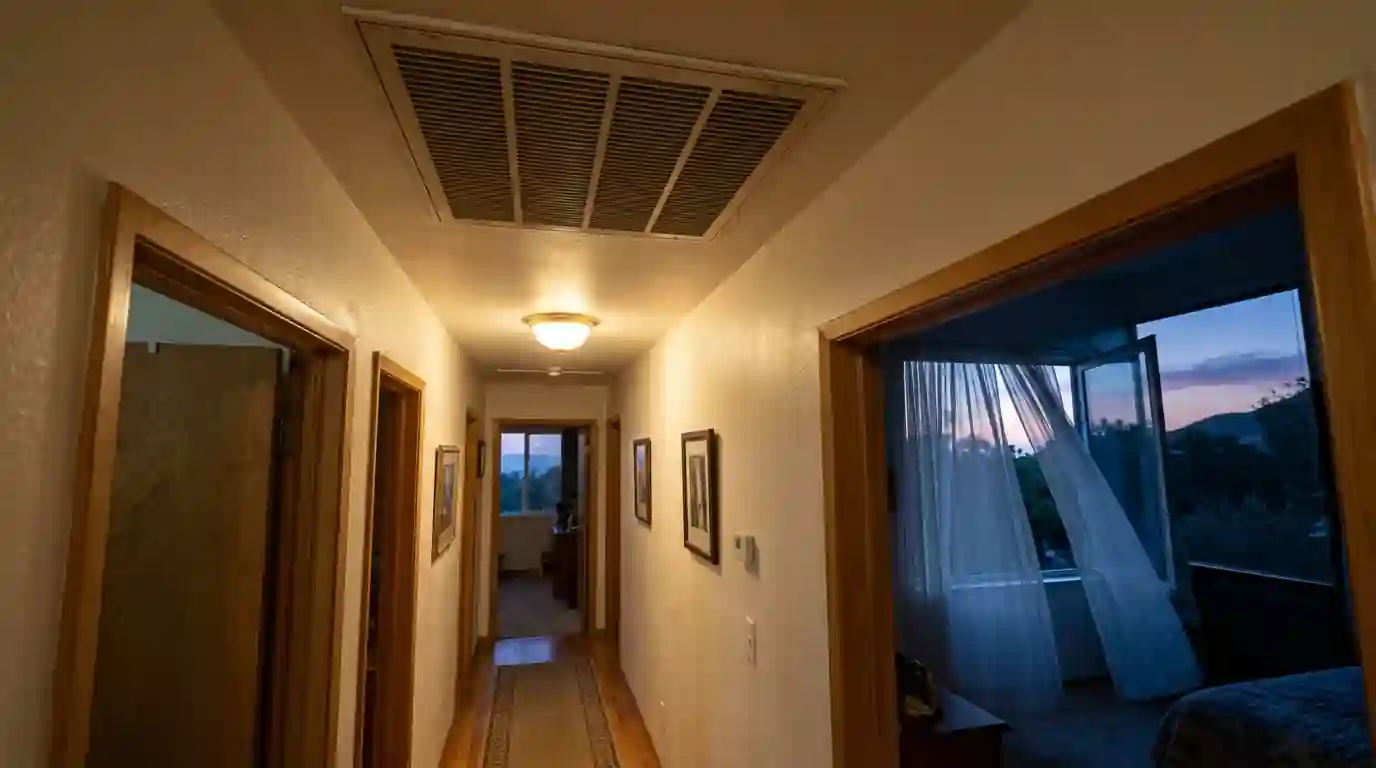
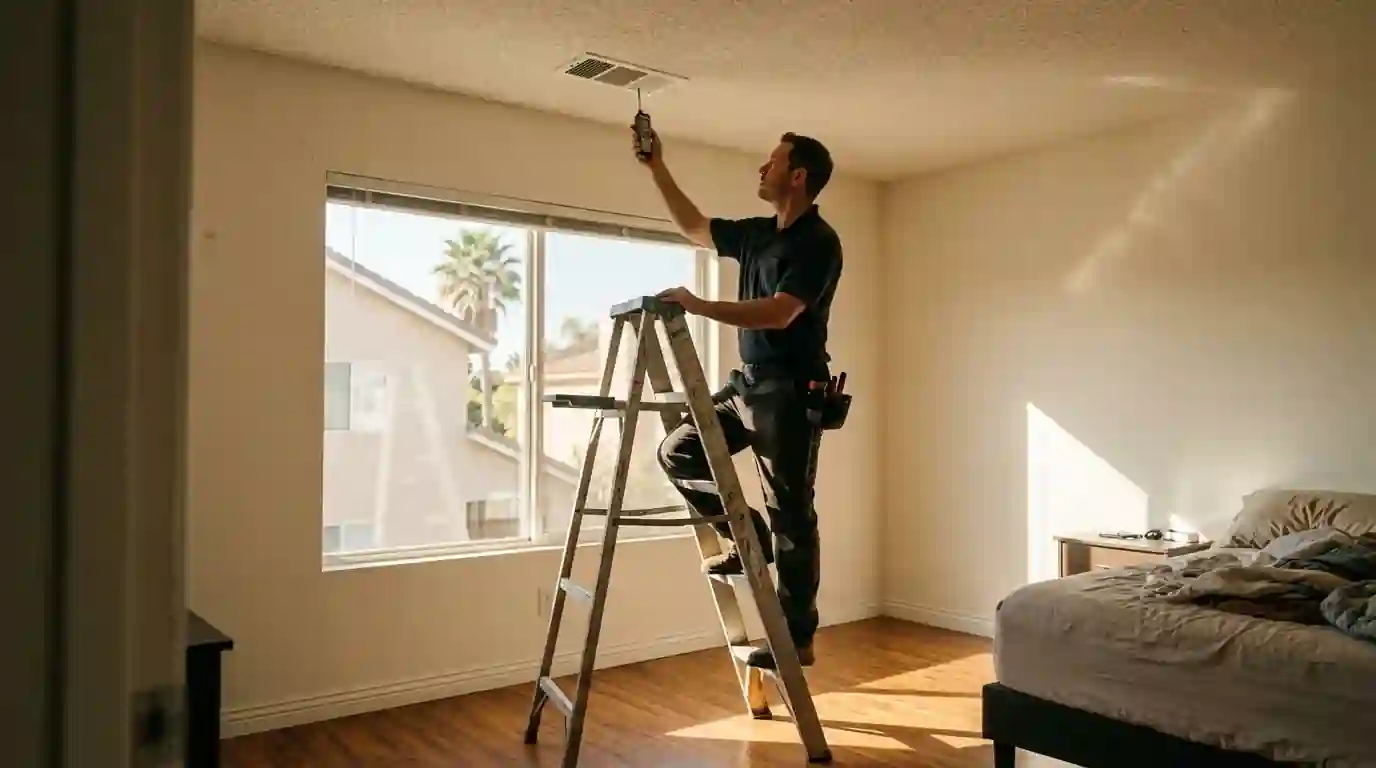
An AC tune-up in Pasadena is a detailed spring checkup: Marco's washes the outdoor coil, tests the capacitor and contactor, measures motor amperage, flushes the condensate drain, checks the float switch, and confirms the refrigerant charge. It catches weak parts before they quit on a 100 degree afternoon and keeps the system running at its rated efficiency. Most visits take 60 to 90 minutes.
AC Tune-Up & Maintenance
Most AC breakdowns we see in July started months earlier. A capacitor that reads a little low in April fails in a heat wave. A drain line that is half clogged in spring overflows in August. A condenser coil packed with cottonwood fluff and Santa Ana dust makes the compressor run hotter every single day. A tune-up is how you find those problems while they are cheap and the weather is mild.
Marco's maintenance visit is a working inspection, not a quick look and a sticker. Our technician opens the panels, cleans what needs cleaning, takes measurements, and writes down what was found. If something is close to failing, you see the reading and decide whether to replace it now or wait.
Warning signs
If the system has gone a full year or more without a visit, coils, drains and electrical parts are due. One spring check before the first hot week is the simplest habit.
Grass clippings, leaves, cottonwood fluff and dust caught in the outside fins block airflow. The compressor then runs at higher pressure and temperature, which shortens its life.
When the AC takes noticeably longer to cool the house than it did last summer, dirty coils, a weak capacitor or a slightly low charge are common reasons a tune-up catches.
A damp, musty odor when cooling first starts usually comes from a slimy drain pan or algae in the condensate line. Cleaning and treating the drain often clears it.
Wildfire smoke and falling ash coat outdoor coils and load up filters fast. A cleaning after a smoke season helps the system breathe and keeps fine particles out of the ducts.
Light leaking around the filter door or a loose cabinet panel lets unfiltered attic air bypass the filter and dirty the coil. We seal those gaps during the visit.
Every Marco's AC tune-up follows the same written checklist, so nothing depends on how busy the day is. The technician records readings, not just checkmarks, which gives you a baseline to compare next year. If a part tests weak, we note the measured value against the rated value so you can see the gap for yourself.
The condenser coil is where your house's heat goes. Refrigerant carries heat from inside, and the outdoor fan pulls air across the coil to shed it. When the fins clog, heat cannot leave fast enough, head pressure rises, the compressor draws more current and runs hotter. Over time that heat breaks down compressor oil and winding insulation.
Rinsing the coil with a garden hose from the outside often pushes debris deeper. We remove the fan top and wash from the inside out with a coil cleaner rated for the fin metal, then rinse. On older units with corroded fins, we go gently, since aggressive cleaning can open pinhole leaks.
Your AC pulls water out of the air, and on a humid August evening that can be several gallons a day. The water drains through a trap and a PVC line to the outside or a sewer connection. Algae and dust grow in that line, and when it clogs, water backs up into the pan. In attic installations, that ends in a stained ceiling unless the float switch shuts the system down first.
During the tune-up we flush the line, clean the trap, and test the float switch by lifting it to confirm it actually cuts the cooling call. Some float switches were installed years ago and never tested. A switch that does not trip is just a piece of plastic.
Step by step
We confirm the thermostat calls correctly, check the filter, open the air handler or furnace, and look at the blower, coil face and drain pan.
Power goes off at the disconnect, then we test the capacitor, inspect the contactor and tighten terminals. Under power, we measure motor amperage against the nameplate.
The condenser coil is washed from the inside, the drain line flushed and treated, and the float switch tested by lifting it to confirm it shuts off cooling.
With the system running at least 15 minutes, we record pressures, superheat or subcooling, and the temperature drop across the indoor coil.
You get a list of what was cleaned, the readings taken, and any parts that tested weak, with a price for each if you choose to replace them.
Typical prices
Tune-up pricing is fairly predictable because the checklist is the same on every visit. These are typical 2026 ranges for Pasadena and nearby San Gabriel Valley homes. Extra time for hard-to-reach attics or very dirty coils can change the final number, and we quote before the work begins.
| Job | Typical range | What is included |
|---|---|---|
| Standard AC tune-up, one system | $129 to $219 | Full checklist, coil wash, drain flush, electrical tests and charge check |
| Each additional system, same visit | $97 to $164 | For homes with a second system upstairs or in an ADU |
| Heavy coil cleaning or chemical wash | $138 to $297 | For coils packed with debris or coated after a smoke season |
| Capacitor replaced during tune-up | $163 to $347 | Only when it tests below rating and you approve the replacement |
Price moves with access to the air handler, the number of systems, and how dirty the coils are. A maintenance plan can bundle a spring cooling visit and a fall heating visit for a lower combined price. Compare other jobs in our Pasadena HVAC price guide.
Pasadena air conditioners deal with a particular mix. Spring brings pollen and sycamore fluff along the Arroyo Seco. Fall brings Santa Ana winds that blow fine dust from the foothills straight into condenser fins. Many summers include smoke days, and homes near the San Gabriel Mountains see more pine needles and leaf litter around outdoor units. Each of these chokes the coil a little more every week.
The best time for a tune-up here is March through May, before temperatures climb into the 90s. That gives time to replace a weak part without waiting in line during a heat wave. If your home is in a foothill area like Linda Vista or near Altadena, a second coil rinse after fire season is worth the small cost.
Related work
Two visits a year, cooling in spring and heating in fall, so small problems get caught before a heat wave or a cold night.
Learn moreWarm air, a humming outdoor unit or a tripped breaker: we find the failed part and fix most AC problems in one visit.
Learn moreWater around the furnace or a stain on the ceiling: we clear the drain, fix the trap, replace pans and install float switches.
Learn moreA fall furnace tune-up that cleans the burners and flame sensor, tests every safety and checks for carbon monoxide before winter.
Learn moreOur technicians handle this work all over Pasadena and the surrounding San Gabriel Valley. A few of the places we cover:
Questions
Once a year, in spring, is right for most homes. If your condenser sits under trees, near a busy street, or in a dusty foothill yard, or if the system runs heavily for an ADU or home office, a second visit after summer can help. Heat pumps that run year round benefit from two visits.
A clean coil and correct charge let the system run closer to its rated efficiency, so it usually draws less power than a dirty, neglected one. How much you save depends on how dirty it was and how much you run it. We do not promise a specific amount, but a clean system does run shorter cycles.
We check the charge on every visit. If it is low, that means there is a leak, because refrigerant does not get used up. Topping it off without finding the leak only delays the problem. We tell you the reading and quote leak detection and repair as a separate item, so you can decide.
Many equipment manufacturers ask for regular professional maintenance and may deny a warranty claim if the failure came from neglect, such as a coil left packed with debris. Keeping your tune-up records is a simple way to show the system was cared for. Check your own warranty papers for the exact terms.
Yes. Change or wash the filter every one to three months, keep plants and storage two feet away from the outdoor unit, and gently hose off loose leaves from the outside of the coil with the power off. Leave electrical work, refrigerant and drain line clearing in the attic to a technician.
Call our Pasadena line any hour. A person answers, asks a few questions about the system, and gives you an arrival window.