Ductless Mini-Split Repair
Repairs for dripping indoor heads, blinking error codes, dead zones, noisy fans and mini-splits that blow air but do not cool.
Learn moreCooling
AC RepairAC InstallationAC ReplacementAC Tune-Up & MaintenanceRefrigerant Leak RepairAC Compressor ReplacementEvaporator Coil ReplacementAC Water Leak & Drain Line RepairHeating
Furnace RepairFurnace InstallationFurnace ReplacementFurnace Tune-Up & MaintenanceWall Furnace RepairFloor Furnace ReplacementBoiler & Radiant Heat RepairHeat Pumps & Ductless
Heat Pump RepairHeat Pump InstallationHeat Pump MaintenanceGas Furnace to Heat Pump ConversionDuctless Mini-Split InstallationDuctless Mini-Split RepairADU Heating & CoolingDucts & Attic
Duct RepairDuctwork ReplacementAir Duct CleaningDuct Sealing & Leak TestingWhole House Fan InstallationAttic InsulationIndoor Air
Indoor Air Quality TestingWhole-Home Air PurifiersUV Air SanitizersWhole-Home HumidifiersSystems & Commercial
Smart Thermostat InstallationHVAC Zoning SystemsFull HVAC System ReplacementHVAC InspectionHVAC Maintenance Plans24/7 Emergency HVAC RepairCommercial HVAC RepairCommercial HVAC MaintenanceRooftop & Package Unit RepairPasadena
Pasadena (all of the city)Bungalow HeavenMadison HeightsSan RafaelLinda VistaHastings RanchOak KnollAnnandaleProspect ParkHistoric HighlandsGarfield HeightsLamanda ParkSouth ArroyoChapman WoodsNearby cities
AltadenaSouth PasadenaSan MarinoArcadiaSierra MadreMonroviaDuarteGlendaleLa Canada FlintridgeLa CrescentaBurbankAlhambraSan GabrielTemple CityMonterey ParkRosemeadEl MonteAzusaGlendoraCovinaWest CovinaLos AngelesMontroseTujungaBaldwin ParkSouth El MonteMontebelloWhittierHacienda HeightsRowland HeightsLa PuenteWalnutDiamond BarSan DimasLa VerneClaremontPomonaUplandRancho CucamongaOntarioMontclairChino HillsBreaFullertonCounties
Los Angeles CountySan Bernardino CountyOrange CountyHeat Pumps & Ductless in Pasadena, CA
Ductless heat pumps for Craftsman bungalows, additions, converted garages and hot upstairs rooms, with head styles chosen room by room.
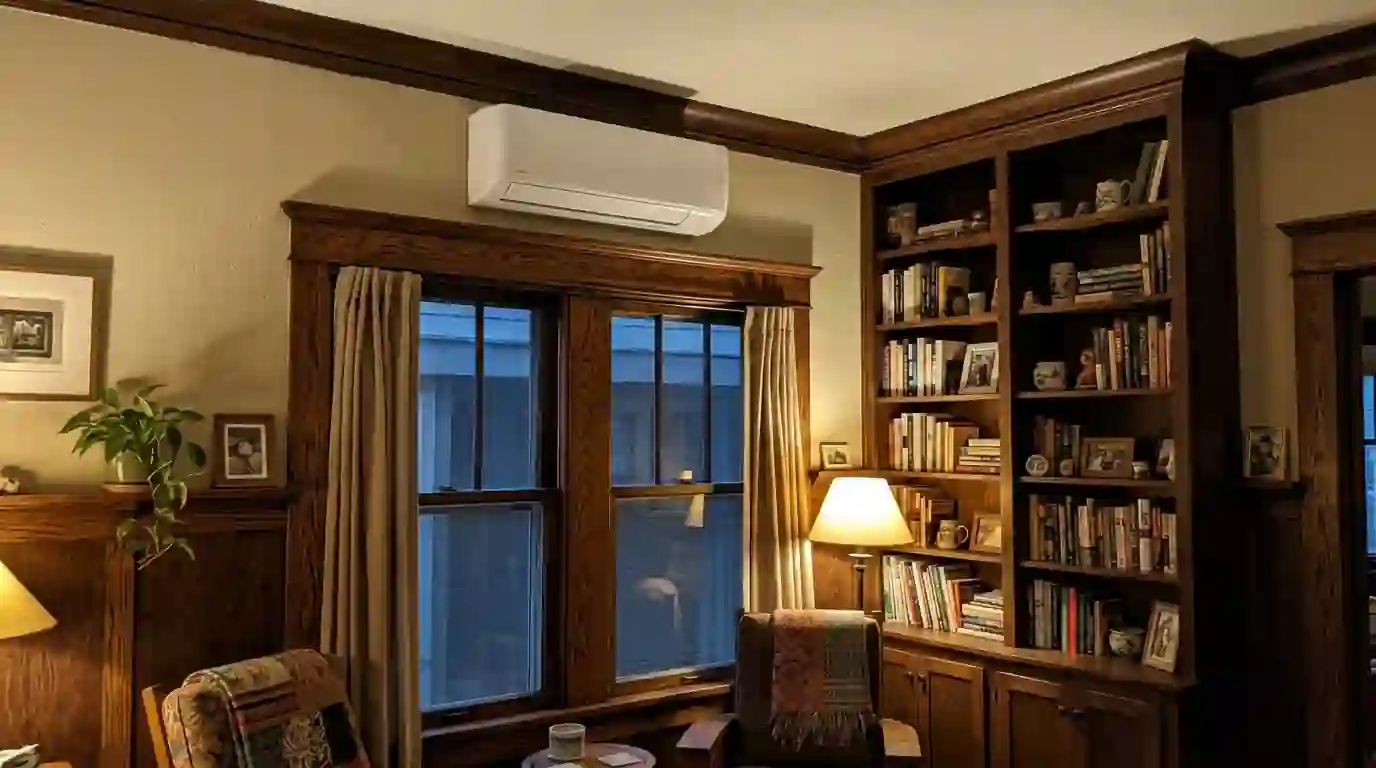
A ductless mini-split is a small heat pump that cools and heats one or more rooms without ductwork. In Pasadena it is a common fit for older homes with wall or floor furnaces, room additions, converted garages and upstairs bedrooms that bake in summer. Marco's sizes each room, helps you choose between wall heads, ceiling cassettes and slim ducted units, and plans the line set route. Call (626) 879-0711.
Ductless Mini-Split Installation
Many Pasadena homes were built long before central air. Craftsman bungalows, Spanish Revival houses and some postwar homes still heat with a wall furnace or floor furnace and cool with window units. Adding ducts to those houses can mean cutting into plaster, giving up closet space, or running bulky ducts through a shallow attic. A ductless mini-split avoids most of that by running a small refrigerant line set through a three inch hole in the wall to an indoor head in each room.
Each indoor unit has its own fan and its own remote or thermostat, so a bedroom can stay cool at night while the living room is off. Because mini-splits use inverter compressors, they slow down instead of cycling on and off, which keeps rooms steady and quiet. Marco's Heating & Air installs single zone and multi zone systems across Pasadena and the San Gabriel Valley with our own crews and plans every line set run on site.
Warning signs
Homes heated by a wall furnace or floor furnace and cooled by window units are prime candidates, since adding ducts would mean major construction.
A west facing bedroom, a sunroom or a second story room that stays several degrees warmer than the rest of the house can get its own zone.
Extending existing ducts to an addition rarely works well. A dedicated mini-split head gives the new space its own heating and cooling.
Window AC units are loud, block light and leak air. A wall head or ceiling cassette clears the window and runs far quieter.
Running a whole house system to cool one office wastes energy. A single zone mini-split handles that room on its own schedule.
In historic districts, small line set covers and a carefully placed outdoor unit keep the front elevation intact better than new ducts or rooftop equipment.
The indoor unit style is the biggest choice you make. Wall mounted heads are the most common and the least expensive. They sit high on a wall, usually above a window or door, and blow air across the room. Ceiling cassettes fit between joists and sit nearly flush with the ceiling, spreading air in four directions. They look cleaner, but need ceiling space above and a careful drain plan.
Slim ducted mini-splits hide the unit in an attic, soffit or closet and feed two or three rooms through short ducts with ordinary grilles. They suit owners who do not want any visible equipment, and they work well for a pair of bedrooms off one hallway. Floor consoles sit low on a wall like a radiator and are useful under windows or in rooms with sloped ceilings.
Each room is sized on its own. A small bedroom may need a 6,000 or 9,000 BTU head, while a sunny great room may need 18,000 or more. Oversized heads cool fast and short cycle, which leaves rooms clammy. We look at square footage, ceiling height, windows, sun exposure and insulation for each space before picking head sizes.
A single zone system pairs one outdoor unit with one indoor head and is the simplest and most efficient setup. A multi zone system connects two to five heads to one outdoor unit, which saves wall space outside but shares the compressor. For a whole house, we sometimes recommend two smaller outdoor units rather than one large one, so a failure leaves half the house still running.
The line set carries refrigerant, a power and communication cable, and the condensate drain from the indoor head to the outdoor unit. We plan its route on site, often straight through the wall behind the head and down the exterior inside a paintable cover. When a head is on an inside wall, the line set runs through the attic or crawlspace instead.
Condensate has to go somewhere. Most heads drain by gravity to the outside. When gravity will not work, such as a cassette in a ceiling below the drain point, we add a small condensate pump and route its line to a suitable drain. The outdoor unit sits on a pad or wall bracket with clearance for airflow and service, placed to keep noise away from bedrooms and neighbors.
Step by step
We walk each room you want to condition, measure it, note windows and sun, check wall and attic access, and discuss where heads and the outdoor unit can go.
You get a layout with head styles, sizes and line set routes, plus a written price that includes electrical, covers, condensate pumps and the permit where required.
Wall brackets go up, the line set hole is drilled with a sleeve, and the outdoor pad or bracket is set level with proper clearance.
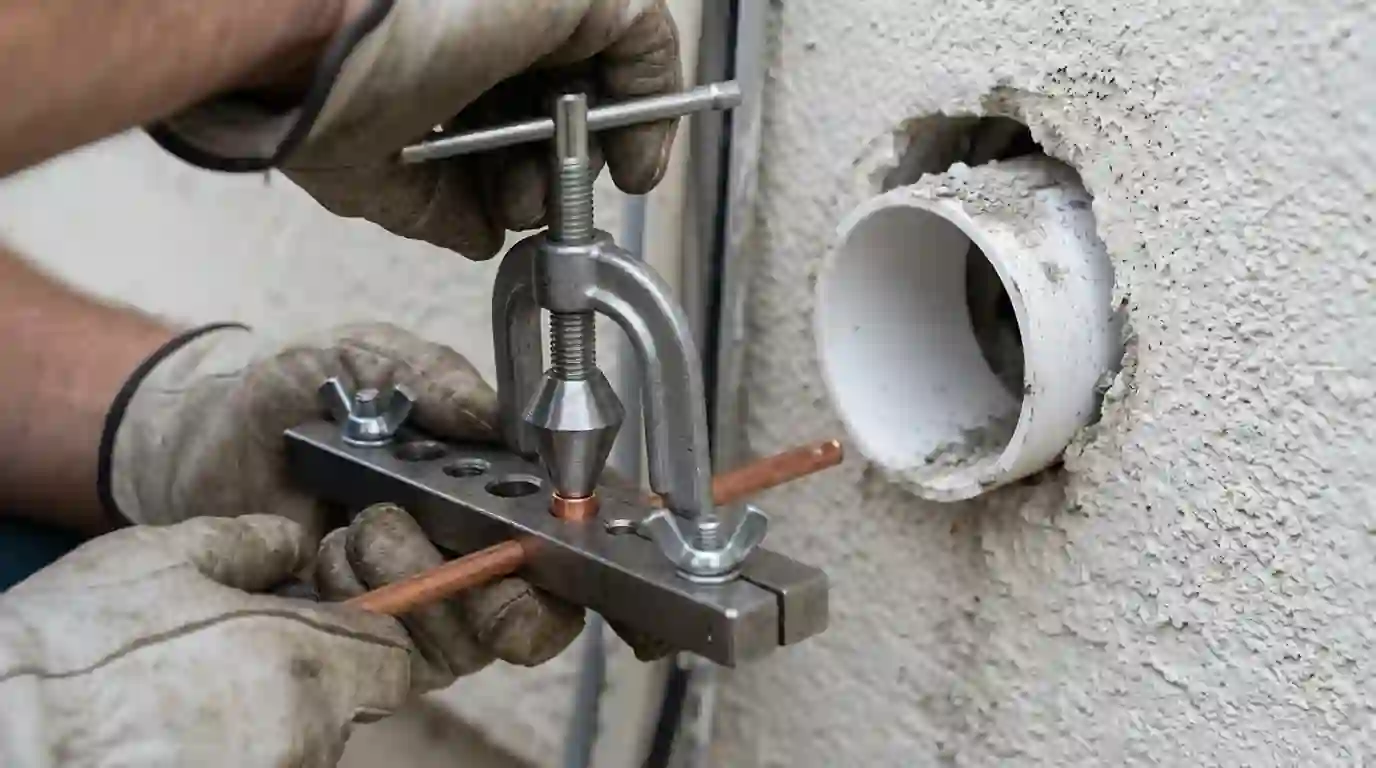
Line sets are flared or brazed, pressure tested, and pulled into a deep vacuum before the refrigerant is released and the wiring is connected.
Each zone runs in cooling and heating. We show you the remote or thermostat, the washable filters, and how to keep the outdoor unit clear.
Typical prices
These are typical 2026 installed ranges for ductless systems in Pasadena and nearby cities. The number of zones, head style, line set length and electrical work drive the price. We quote the price before we start the work, with each zone listed.
| Job | Typical range | What is included |
|---|---|---|
| Single zone wall head system | $4,680 to $7,370 | One room, short line set, standard wall mount, new circuit and disconnect |
| Single zone ceiling cassette | $6,240 to $9,480 | Ceiling opening, framing, condensate pump if needed and finish trim |
| Two to three zone multi zone system | $9,870 to $16,430 | One outdoor unit, two or three heads of mixed style and size |
| Whole home ductless, four to five zones | $17,640 to $27,390 | Often two outdoor units for redundancy and better part load efficiency |
Price moves with line set length, attic or crawlspace routing, ceiling work for cassettes, condensate pumps, electrical panel capacity and permit requirements. Ask about current PWP or SCE rebates and state heat pump incentives when funding is open. Compare other jobs in our Pasadena HVAC price guide.
Pasadena has a large stock of homes that were never built for ducts. Craftsman bungalows in Bungalow Heaven and Madison Heights often have thick original trim, shallow attics and a single wall furnace in the hallway. A two or three zone mini-split covers the living room and bedrooms without opening plaster ceilings. In landmark and historic districts, we place the outdoor unit at the side or rear, keep line set covers off the street facing wall, and paint covers to match the trim.
Upstairs rooms in 1920s homes are another common call. Heat rises into bedrooms under the roof, and a central system in the basement or first floor attic cannot keep up on a 101 degree afternoon. A dedicated head upstairs solves that. Pasadena homes on PWP electric rates and nearby homes on SCE both benefit from the high part load efficiency of an inverter mini-split, since most hours are spent running at low speed.
Related work
Repairs for dripping indoor heads, blinking error codes, dead zones, noisy fans and mini-splits that blow air but do not cool.
Learn morePilot lights, thermocouples, gas valves and fans on gravity and fan-type wall furnaces, with a venting and CO check every visit.
Learn moreHeat pump systems for backyard ADUs, garage conversions and junior units, sized correctly for small spaces and built to pass inspection.
Learn moreMotorized dampers and a zone panel so upstairs bedrooms, downstairs rooms and additions each get their own thermostat.
Learn moreOur technicians handle this work all over Pasadena and the surrounding San Gabriel Valley. A few of the places we cover:
Questions
Yes. A mini-split is a heat pump, and Pasadena winters are well within its range. On cold mornings in the high 30s it heats efficiently, and many homeowners replace a wall furnace or floor furnace with mini-split heads. The heads blow warm air from high on the wall, so we size and place them to keep the warmth reaching the living area.
Usually about three inches across, drilled through the wall behind the indoor head. It carries the copper lines, the cable and the drain. From outside, the lines run inside a slim cover down to the outdoor unit. On plaster and lath walls common in older Pasadena homes, we drill carefully and seal the opening against air leaks and pests.
A wall head costs less and is easier to service. A ceiling cassette spreads air more evenly in larger or square rooms and looks cleaner, but needs ceiling depth and sometimes a condensate pump. In Craftsman homes with beamed ceilings, cassettes may not fit. We look at the framing above before recommending one.
Indoor heads on low speed are very quiet, often quieter than a typical refrigerator. Inverter compressors in the outdoor unit ramp down instead of stopping and starting, so you rarely hear them kick on. We place the outdoor unit away from bedroom windows and neighbor windows where the lot allows, which keeps nighttime noise to a minimum.
Usually yes. Adding heating and cooling equipment typically needs a mechanical permit, and a new 240 volt circuit may need an electrical permit. Homes in historic districts may face extra review for exterior equipment placement. We handle the permit where the city requires one and plan the outdoor unit location to meet setback and noise rules.
Call our Pasadena line any hour. A person answers, asks a few questions about the system, and gives you an arrival window.