Gas Furnace to Heat Pump Conversion
Replace a gas furnace with an electric heat pump, starting with a panel load check so the switch works without surprises.
Learn moreCooling
AC RepairAC InstallationAC ReplacementAC Tune-Up & MaintenanceRefrigerant Leak RepairAC Compressor ReplacementEvaporator Coil ReplacementAC Water Leak & Drain Line RepairHeating
Furnace RepairFurnace InstallationFurnace ReplacementFurnace Tune-Up & MaintenanceWall Furnace RepairFloor Furnace ReplacementBoiler & Radiant Heat RepairHeat Pumps & Ductless
Heat Pump RepairHeat Pump InstallationHeat Pump MaintenanceGas Furnace to Heat Pump ConversionDuctless Mini-Split InstallationDuctless Mini-Split RepairADU Heating & CoolingDucts & Attic
Duct RepairDuctwork ReplacementAir Duct CleaningDuct Sealing & Leak TestingWhole House Fan InstallationAttic InsulationIndoor Air
Indoor Air Quality TestingWhole-Home Air PurifiersUV Air SanitizersWhole-Home HumidifiersSystems & Commercial
Smart Thermostat InstallationHVAC Zoning SystemsFull HVAC System ReplacementHVAC InspectionHVAC Maintenance Plans24/7 Emergency HVAC RepairCommercial HVAC RepairCommercial HVAC MaintenanceRooftop & Package Unit RepairPasadena
Pasadena (all of the city)Bungalow HeavenMadison HeightsSan RafaelLinda VistaHastings RanchOak KnollAnnandaleProspect ParkHistoric HighlandsGarfield HeightsLamanda ParkSouth ArroyoChapman WoodsNearby cities
AltadenaSouth PasadenaSan MarinoArcadiaSierra MadreMonroviaDuarteGlendaleLa Canada FlintridgeLa CrescentaBurbankAlhambraSan GabrielTemple CityMonterey ParkRosemeadEl MonteAzusaGlendoraCovinaWest CovinaLos AngelesMontroseTujungaBaldwin ParkSouth El MonteMontebelloWhittierHacienda HeightsRowland HeightsLa PuenteWalnutDiamond BarSan DimasLa VerneClaremontPomonaUplandRancho CucamongaOntarioMontclairChino HillsBreaFullertonCounties
Los Angeles CountySan Bernardino CountyOrange CountyBlog
By Odell Rankin, Comfort Blog EditorSeptember 18, 20267 min read
Pasadena's mild winters and hot summers make heat pumps a strong fit, but a gas furnace still makes sense in some homes. Here is how to weigh climate, electrical capacity, ducts and rebates.
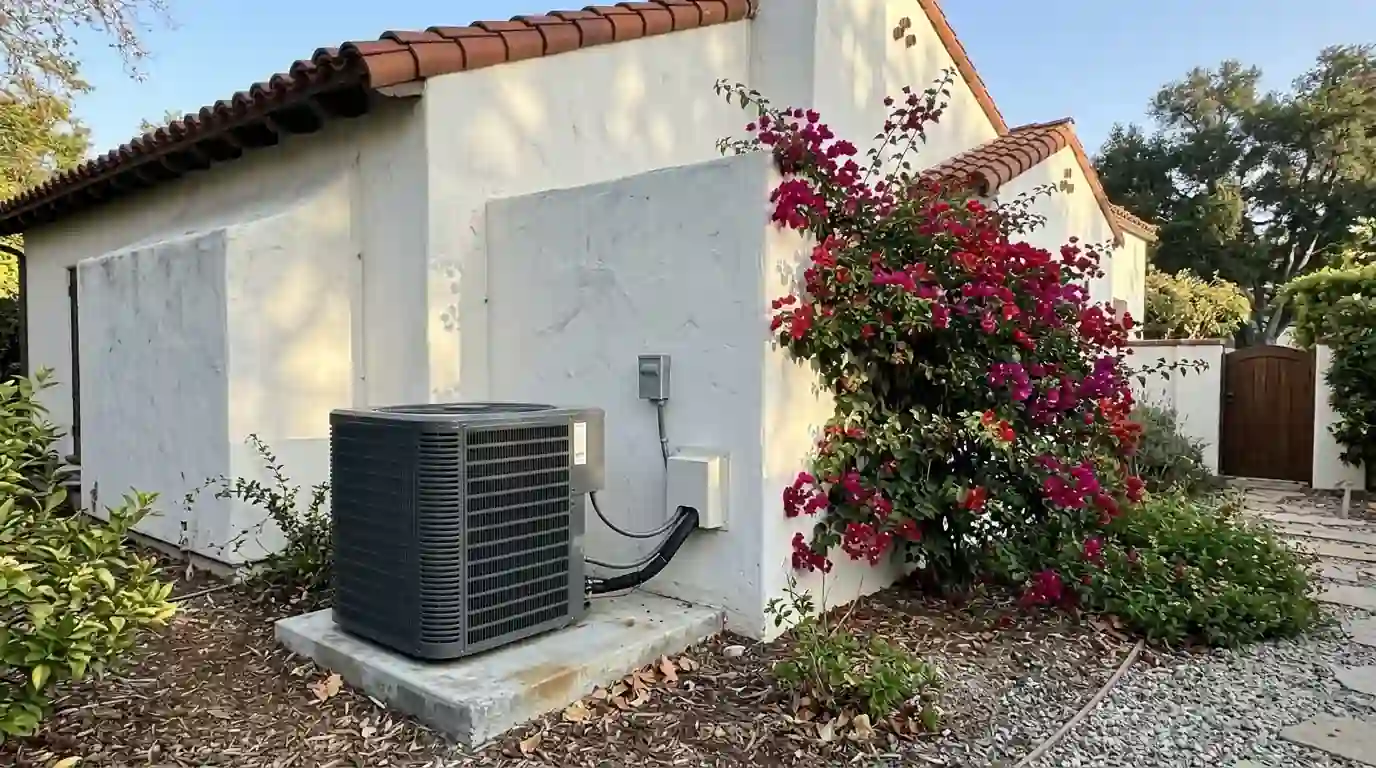
When an old furnace and AC both reach the end of their lives, many Pasadena homeowners face a real choice for the first time: replace them with another gas furnace and a new AC, or switch to a heat pump that handles both heating and cooling. Ten years ago the answer was usually gas by default. Today heat pumps are common across Southern California, and our climate is one of the easiest in the country for them.
That does not mean a heat pump is right for every house. The decision depends on how you use the home, the condition of the ducts, the electrical panel and what you pay for gas and electricity. Here is how our technicians walk through it with homeowners, from how each system works to the panel and duct questions that often settle the matter. The aim is a choice that fits your house and how you live in it, not a one-size answer.
A gas furnace burns natural gas in a sealed heat exchanger and blows air across it. It makes hot air quickly and the air coming out of the registers feels very warm. A separate AC with an outdoor condenser and an indoor coil handles cooling. Two pieces of equipment, two sets of parts that wear out. The furnace also needs a gas line, a flue or vent to the outside and annual checks of its burner and heat exchanger.
A heat pump is an air conditioner that can run in reverse. In summer it moves heat out of the house. In winter it pulls heat from the outdoor air, even on a cold night, and moves it inside. Because it moves heat instead of making it, a heat pump can deliver more heat energy than the electricity it uses. The air from the registers feels warm rather than hot, and the system tends to run longer, steadier cycles. Many households find that steady output keeps rooms more even, with fewer swings between too warm and too cool.
Heat pumps lose capacity as outdoor temperatures fall. In places with long stretches below freezing, that matters a lot. Pasadena winter nights usually sit in the 30s and 40s, with daytime temperatures often in the 60s, so a heat pump rarely faces the conditions that challenge it. Foothill homes near the San Gabriel Mountains can see colder nights than the flats, but still well within what modern heat pumps handle.
Summers are the bigger load here. On 100 degree days, cooling capacity matters more than heating, and a heat pump sized for cooling usually has plenty of heat for winter. That is one reason the switch makes sense for many San Gabriel Valley homes: you are buying an AC anyway, and a heat pump is an AC that also heats.
A gas furnace can still be the better fit in some homes. If the electrical panel is small and an upgrade would be costly, keeping gas heat avoids that expense. If the AC is only a few years old and in good shape, replacing just the furnace may be the sensible move until the AC is due. Some homeowners also simply prefer the hotter air from a furnace, especially in drafty older houses.
There is also a middle path. A dual fuel system pairs a heat pump with a gas furnace. The heat pump handles cooling and most heating, and the furnace takes over on the coldest mornings. It costs more up front than either option alone, but it can suit homeowners who want to use less gas without giving it up entirely.
Many Pasadena homes built before the 1960s still have smaller electrical services. A heat pump replacing a gas furnace and an existing AC may not add much load, since it replaces the AC circuit. A heat pump added where there was no AC before is a bigger change. Our technician checks the panel rating, available breaker space and existing circuits on the first visit so the quote reflects what the house actually needs.
Ducts matter just as much. Heat pumps deliver air at lower temperatures than furnaces, so leaky or undersized ducts are more noticeable. Older attic ductwork in ranch homes and Spanish Revival houses often has gaps, crushed runs and thin insulation. When equipment is replaced, California energy rules can require duct leakage testing, and sealing or replacing bad ducts often makes the biggest difference in comfort.
Running costs depend on your rates. Pasadena homes buy electricity from Pasadena Water and Power, while most surrounding cities buy from Southern California Edison, and gas comes from SoCalGas. Because electricity and gas prices change and every home uses energy differently, we do not promise savings. What we can do is explain how efficient the equipment is and how it compares for your house.
Incentives can shift the up-front math. Ask about current PWP, SCE or SoCalGas rebates and state heat pump incentives when funding is open. Some programs have rules about equipment efficiency or who does the installation, so it is worth checking before you choose a model. Maintenance costs differ a little too: a heat pump is one system to service twice a year, while a furnace and AC are two pieces of equipment with their own checks. We handle the permit where the city requires one.
A good decision starts with facts about your home rather than a sales pitch. Before choosing, have a technician do a load calculation, check the ducts and look at the panel. Ask for prices on both options so you can compare them side by side. We quote the price before we start the work, and we are glad to explain why one option fits better than the other for your house.
Call (626) 879-0711 any time to set up a visit. We answer 24/7, and we can usually tell you during the first visit which path makes sense and what each would involve. If the old furnace has already failed in the middle of winter, we can also talk through a short-term repair that buys time to decide without rushing into a replacement.
Related services
Replace a gas furnace with an electric heat pump, starting with a panel load check so the switch works without surprises.
Learn moreNew ducted and inverter heat pumps sized to your Pasadena home, with permits, line sets, electrical and duct checks included in the quote.
Learn moreAn old furnace swapped for a right-sized new one in the same attic, closet or garage, with venting, ducts and permit handled.
Learn moreQuestions
For most Pasadena homes, yes. Winter nights here usually fall into the 30s and 40s, which modern heat pumps handle well. The air from the registers feels warm rather than hot, and the system runs longer, steadier cycles. Foothill homes near the San Gabriel Mountains see colder nights but still well within normal heat pump range. Sizing and duct condition matter more than the climate in getting a heat pump to keep a home comfortable.
Not always. If the home already has central AC, the heat pump often uses the same circuit and adds little new load. If there was no AC before, the panel may need room for a new circuit, and some older Pasadena homes have small services with little spare capacity. Our technician checks the panel rating and breaker space on the first visit and tells you whether an upgrade is needed before you commit.
A dual fuel system pairs a heat pump with a gas furnace. The heat pump cools in summer and heats most of the winter, and the furnace takes over on the coldest mornings or when gas is cheaper to run. In the San Gabriel Valley's mild climate, the furnace may run only a little. It can suit homeowners who want to reduce gas use while keeping it as a backup, though it costs more up front.
Keep reading
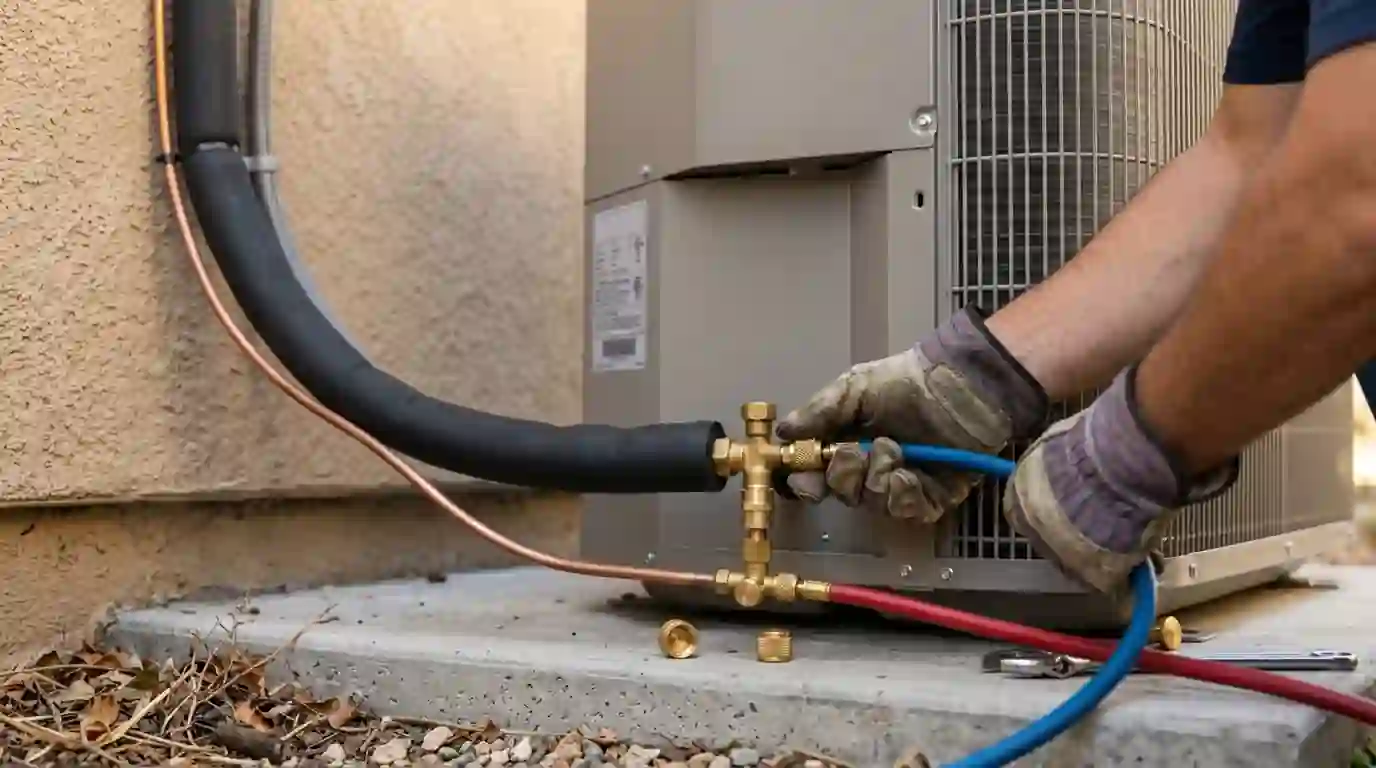
New residential AC and heat pump equipment now uses lower-GWP A2L refrigerants such as R-454B and R-32. Here is what changed, what it means for your existing R-410A system and what to expect at replacement.
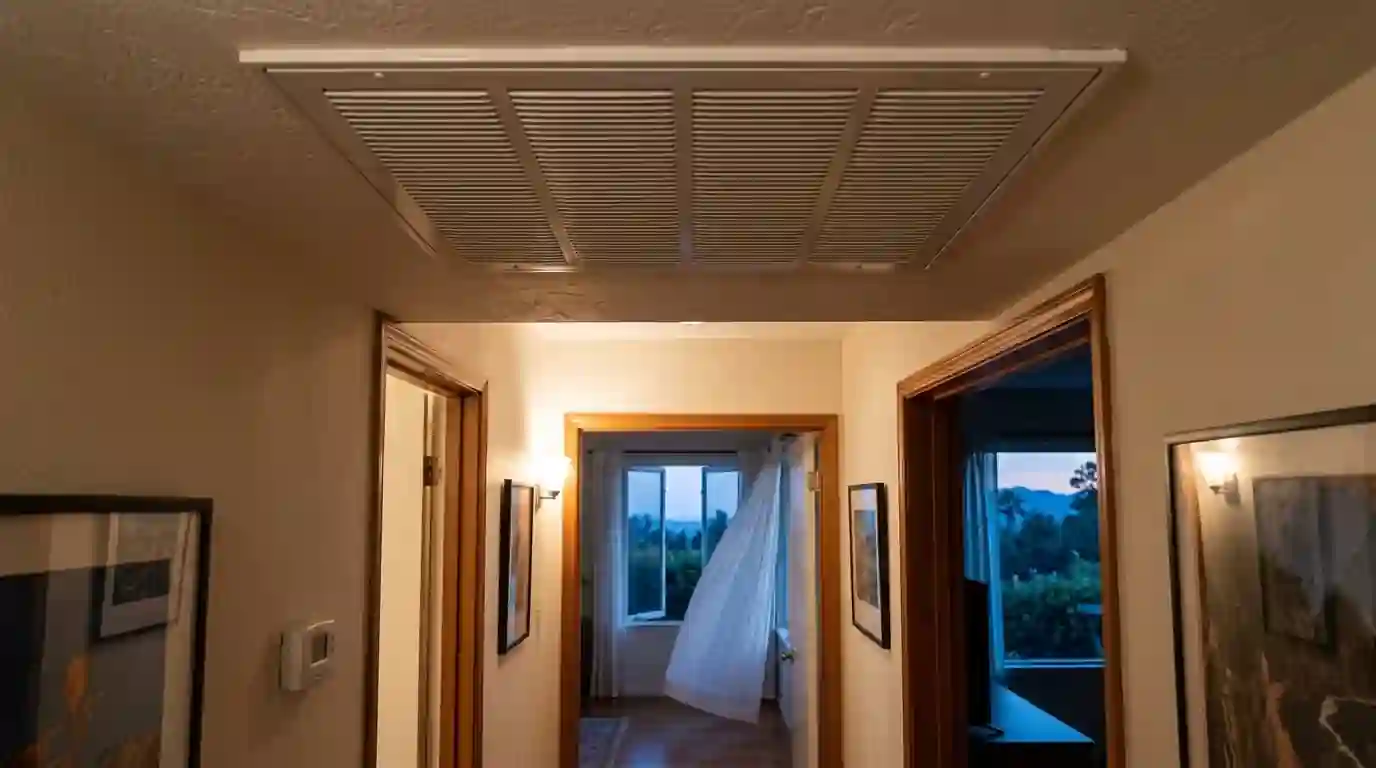
Pasadena often cools off fast after sunset. A whole house fan can flush the day's heat out cheaply, but it is not a substitute for AC on every night. Here is how to choose and how to use both.
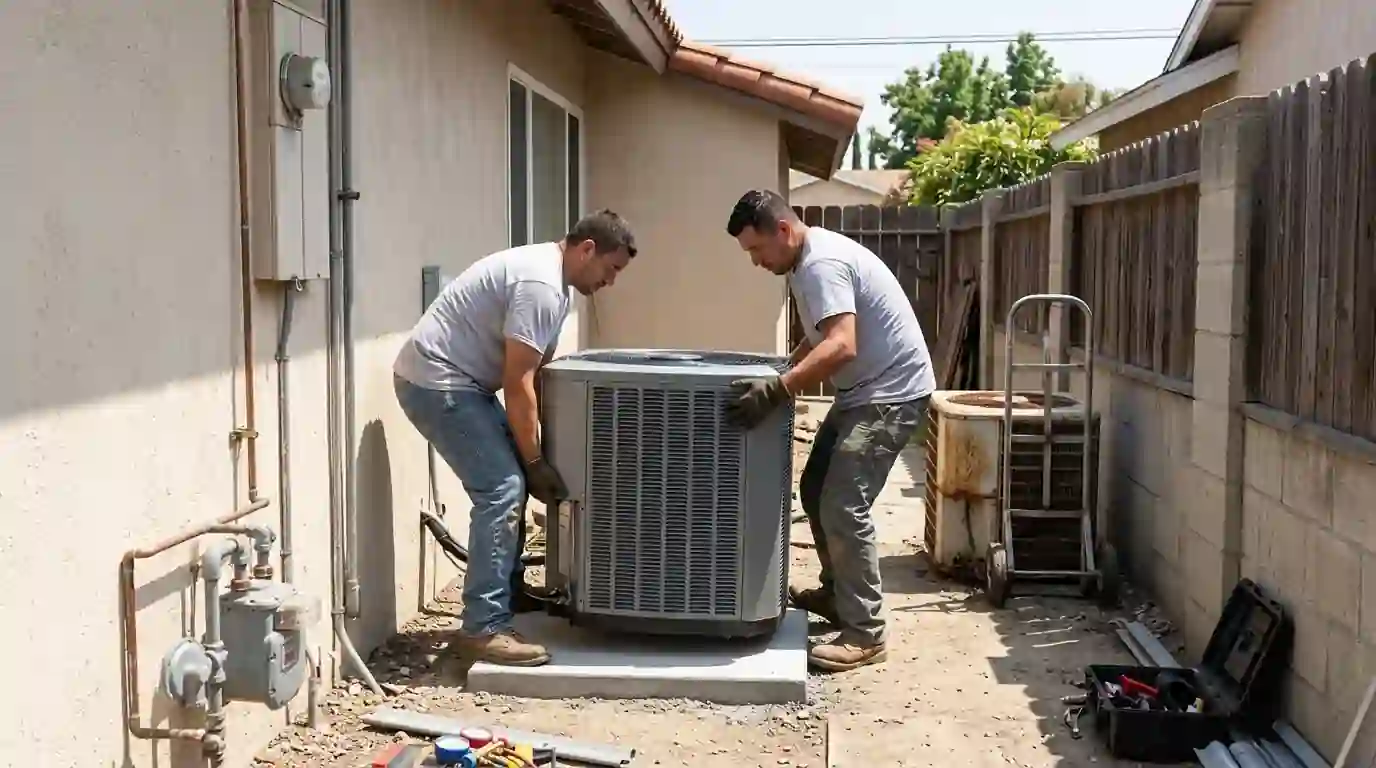
Typical 2026 price ranges for replacing central AC, heat pumps and ductless systems in Pasadena and nearby cities, with a plain look at the ducts, panels, permits and access issues that move the number.
Call our Pasadena line any hour. A person answers, asks a few questions about the system, and gives you an arrival window.