AC Replacement
Swap a worn-out air conditioner for a correctly sized SEER2 system, with duct testing and permit work handled in one job.
Learn moreCooling
AC RepairAC InstallationAC ReplacementAC Tune-Up & MaintenanceRefrigerant Leak RepairAC Compressor ReplacementEvaporator Coil ReplacementAC Water Leak & Drain Line RepairHeating
Furnace RepairFurnace InstallationFurnace ReplacementFurnace Tune-Up & MaintenanceWall Furnace RepairFloor Furnace ReplacementBoiler & Radiant Heat RepairHeat Pumps & Ductless
Heat Pump RepairHeat Pump InstallationHeat Pump MaintenanceGas Furnace to Heat Pump ConversionDuctless Mini-Split InstallationDuctless Mini-Split RepairADU Heating & CoolingDucts & Attic
Duct RepairDuctwork ReplacementAir Duct CleaningDuct Sealing & Leak TestingWhole House Fan InstallationAttic InsulationIndoor Air
Indoor Air Quality TestingWhole-Home Air PurifiersUV Air SanitizersWhole-Home HumidifiersSystems & Commercial
Smart Thermostat InstallationHVAC Zoning SystemsFull HVAC System ReplacementHVAC InspectionHVAC Maintenance Plans24/7 Emergency HVAC RepairCommercial HVAC RepairCommercial HVAC MaintenanceRooftop & Package Unit RepairPasadena
Pasadena (all of the city)Bungalow HeavenMadison HeightsSan RafaelLinda VistaHastings RanchOak KnollAnnandaleProspect ParkHistoric HighlandsGarfield HeightsLamanda ParkSouth ArroyoChapman WoodsNearby cities
AltadenaSouth PasadenaSan MarinoArcadiaSierra MadreMonroviaDuarteGlendaleLa Canada FlintridgeLa CrescentaBurbankAlhambraSan GabrielTemple CityMonterey ParkRosemeadEl MonteAzusaGlendoraCovinaWest CovinaLos AngelesMontroseTujungaBaldwin ParkSouth El MonteMontebelloWhittierHacienda HeightsRowland HeightsLa PuenteWalnutDiamond BarSan DimasLa VerneClaremontPomonaUplandRancho CucamongaOntarioMontclairChino HillsBreaFullertonCounties
Los Angeles CountySan Bernardino CountyOrange CountyBlog
By Odell Rankin, Comfort Blog EditorAugust 11, 20267 min read
Typical 2026 price ranges for replacing central AC, heat pumps and ductless systems in Pasadena and nearby cities, with a plain look at the ducts, panels, permits and access issues that move the number.
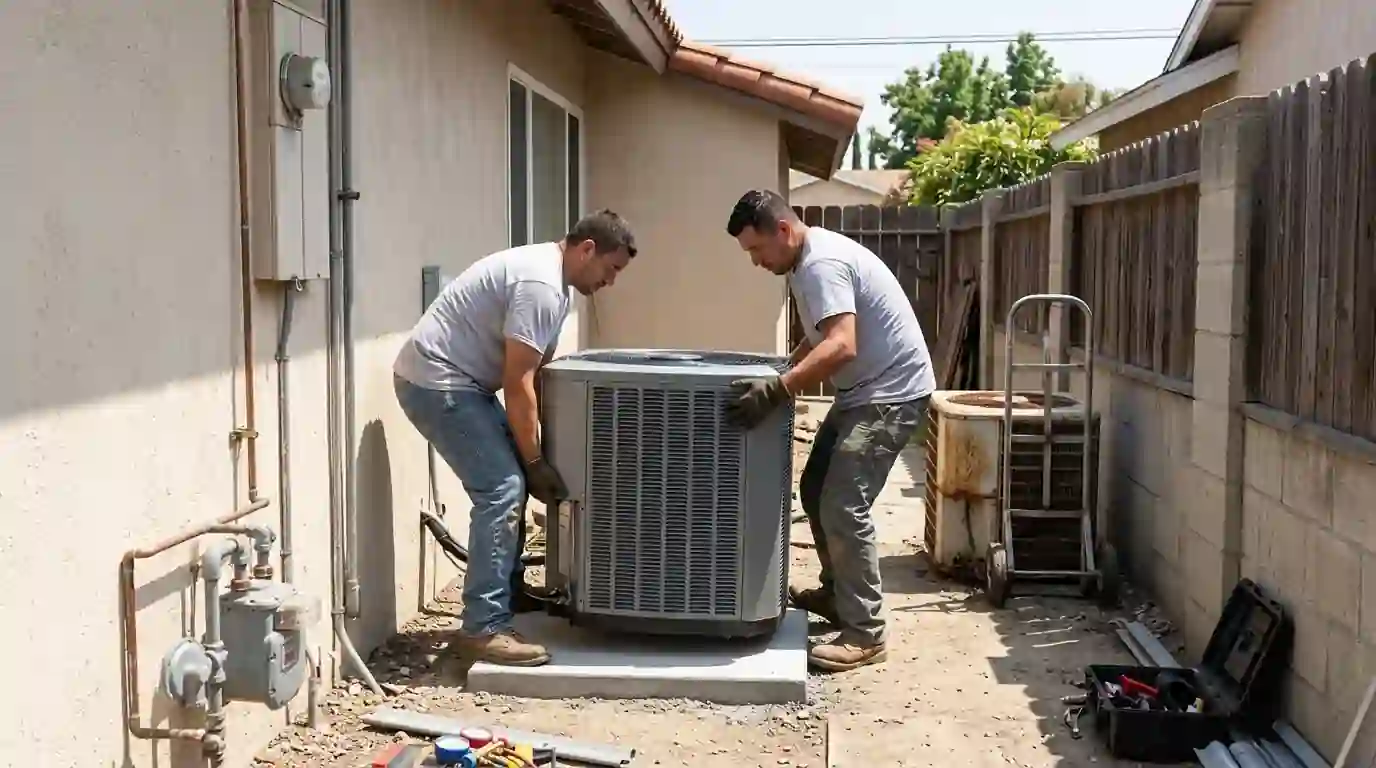
When an old AC quits in July, the first question is almost always the same: what is a replacement going to cost? It is a fair question, and a frustrating one to get vague answers to. The honest answer is a range, because two homes on the same street in Pasadena or Arcadia can need very different work. One has sound ducts and a modern panel. The other has crushed attic ducts, a 1950s panel and a condenser wedged into a narrow side yard.
Below are typical 2026 ranges we see for Southern California homes, followed by the factors that push a job toward the low or high end. These are typical ranges, not quotes. The final price comes after a technician sees the system and the house. We have also included the add-ons that most often surprise homeowners, such as duct work, electrical updates and permit testing, so you can see where a number comes from and compare quotes on an even footing.
These ranges cover equipment, standard installation labor, removal of old equipment and typical materials for a single family home of average size in the San Gabriel Valley. They do not include major duct replacement, electrical service upgrades or unusual access work, which are listed separately below. Higher efficiency and variable speed equipment sits toward the top of each range. They also assume the equipment goes back in roughly the same location, with the same line set path and condensate drain, which keeps labor predictable.
Size matters too. Most homes in the area use systems between about two and five tons of cooling. A small bungalow and a large two-story foothill home sit at opposite ends of these ranges even with the same brand and efficiency level. Two-story homes sometimes need two systems or a zoning setup, which moves the total well above a single system. A proper load calculation sets the size, rather than copying whatever was installed decades ago.
Homeowners sometimes ask whether they can replace just the outdoor unit. In most cases, the indoor coil needs to be replaced at the same time. Modern condensers are designed to work with a matched indoor coil, and new equipment uses newer refrigerants that do not mix with the R-410A or older R-22 in existing systems. A mismatched setup can lose efficiency and may affect the manufacturer warranty.
If the furnace or air handler is near the end of its life too, replacing everything at once often costs less in labor than doing it in two stages a few years apart. If the furnace is fairly new and in good shape, keeping it and matching a new coil to it can make sense. Our technician checks the age and condition of each piece before recommending one approach.
Old ductwork is the most common reason a quote climbs. Many Pasadena and San Gabriel Valley homes have attic or crawlspace ducts that are decades old, with loose joints, crushed flex runs, torn insulation or undersized returns. A new system attached to leaky ducts will not deliver the comfort or efficiency you paid for. When a system is replaced, California energy rules can require a duct leakage test, and ducts that fail need sealing or replacement.
Duct sealing on otherwise sound ducts is a smaller add-on. Full duct replacement is a bigger project and depends on the number of runs, attic access and the home's size. Older homes that once had a floor furnace or wall furnace and later got ducts added often have return paths that are too small for modern equipment, and correcting that is one of the most useful upgrades for comfort and for the life of the new blower and compressor.
Older homes in Pasadena, Alhambra, San Gabriel and Temple City often have smaller electrical services. Replacing an existing AC usually reuses the existing circuit, but a larger system, a heat pump added where there was no AC, or a corroded disconnect can call for electrical work. If the panel itself is too small, an electrician may need to upgrade it, which adds to the cost and the timeline.
Permits and testing are part of a proper replacement. We handle the permit where the city requires one, and the cost of the permit and any required duct leakage or refrigerant charge verification is included in the quote, not added later. Skipping the permit can cause trouble when you sell the house, and it means nobody checked the installation against current energy rules. Ask any contractor you are comparing whether their number includes it.
Where the equipment sits matters. A furnace in a garage with good clearance is quicker to replace than an air handler in a low attic that has to be reached through a small hatch. Condensers on rooftops or in tight side yards on hillside lots in La Canada Flintridge or Sierra Madre take more labor and sometimes extra equipment to move into place. Long line set runs, a new concrete pad or a condensate pump also add cost.
Equipment choice is the other big lever. Single stage systems cost less up front. Two stage and variable speed systems cost more but run quieter, handle long hot afternoons more steadily and use less energy. Smart thermostats, zoning and added air filtration are optional and can be added later. Timing matters a little too: replacing a system in spring or fall, before it fails, gives you time to compare options instead of deciding in the middle of a heat wave.
When comparing prices, make sure each quote covers the same scope: the same equipment size and efficiency, matched indoor and outdoor parts, removal of old equipment, permits, required testing, and any duct or electrical work. A low number that leaves out the coil, the permit or the duct test is not really cheaper. Ask whether the contractor did a load calculation or simply matched the old system's size. Ask, too, which refrigerant the new equipment uses and whether the existing line set will be reused, since both affect the price and the work involved.
Ask about current PWP, SCE or SoCalGas rebates and state heat pump incentives when funding is open, since they can change the comparison between an AC and a heat pump. We quote the price before we start the work, in writing, with the scope spelled out. Manufacturers offer equipment warranties, and registration matters, so ask whether the contractor registers the new equipment for you. Call (626) 879-0711 any time; we answer 24/7.
Related services
Swap a worn-out air conditioner for a correctly sized SEER2 system, with duct testing and permit work handled in one job.
Learn moreFurnace, coil and condenser or a heat pump replaced together as a matched system, with duct testing and the city permit handled.
Learn moreNew attic ductwork sized for your rooms and equipment, sealed with mastic and leak tested before we call the job done.
Learn moreQuestions
Replacing just the outdoor condenser and matching indoor coil typically runs about $7,840 to $13,940, while a complete AC and furnace system is about $12,420 to $21,760. Those are typical ranges for an average home. Duct condition, electrical work, equipment efficiency and where the equipment sits can move the price. The final number comes after a technician sees the system, and we quote the price before we start the work.
Up front, a complete ducted heat pump system often costs somewhat more than an AC and gas furnace of similar quality, typically about $13,720 to $24,580 versus about $12,420 to $21,760. Incentives can narrow or close that gap when funding is open, so ask about current PWP, SCE or SoCalGas rebates and state heat pump incentives. Operating costs depend on your rates and how you use the home.
Many homes in Arcadia, Temple City and nearby cities have attic ducts that are decades old, leaky or undersized. When a system is replaced, California energy rules can require a duct leakage test, and ducts that fail need sealing or replacement. Even without a test, a new system on bad ducts loses much of its comfort and efficiency. The quote should show exactly what duct work is included and why.
Keep reading
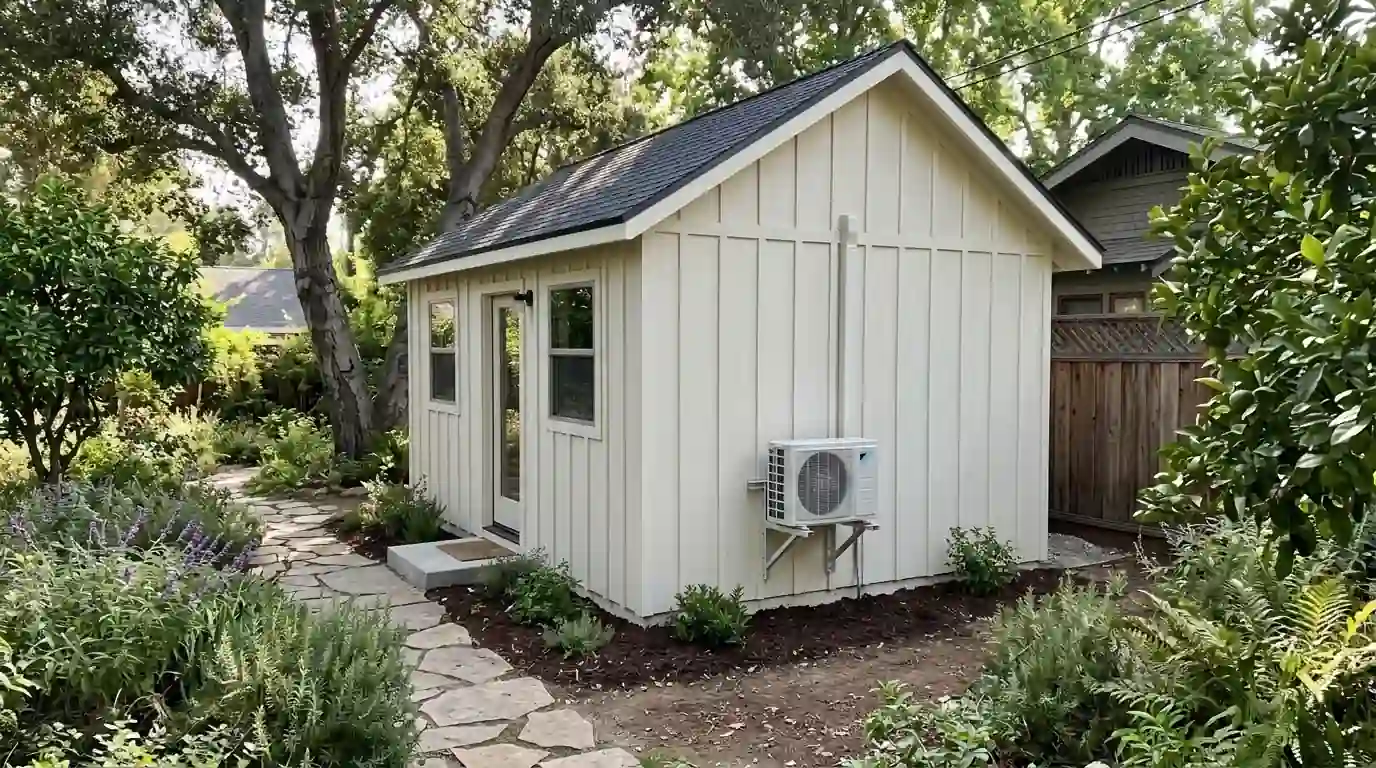
Backyard ADUs are small, but they still need real heating and cooling. Here is how to choose between ductless and ducted systems, size them right and plan the work alongside your builder.
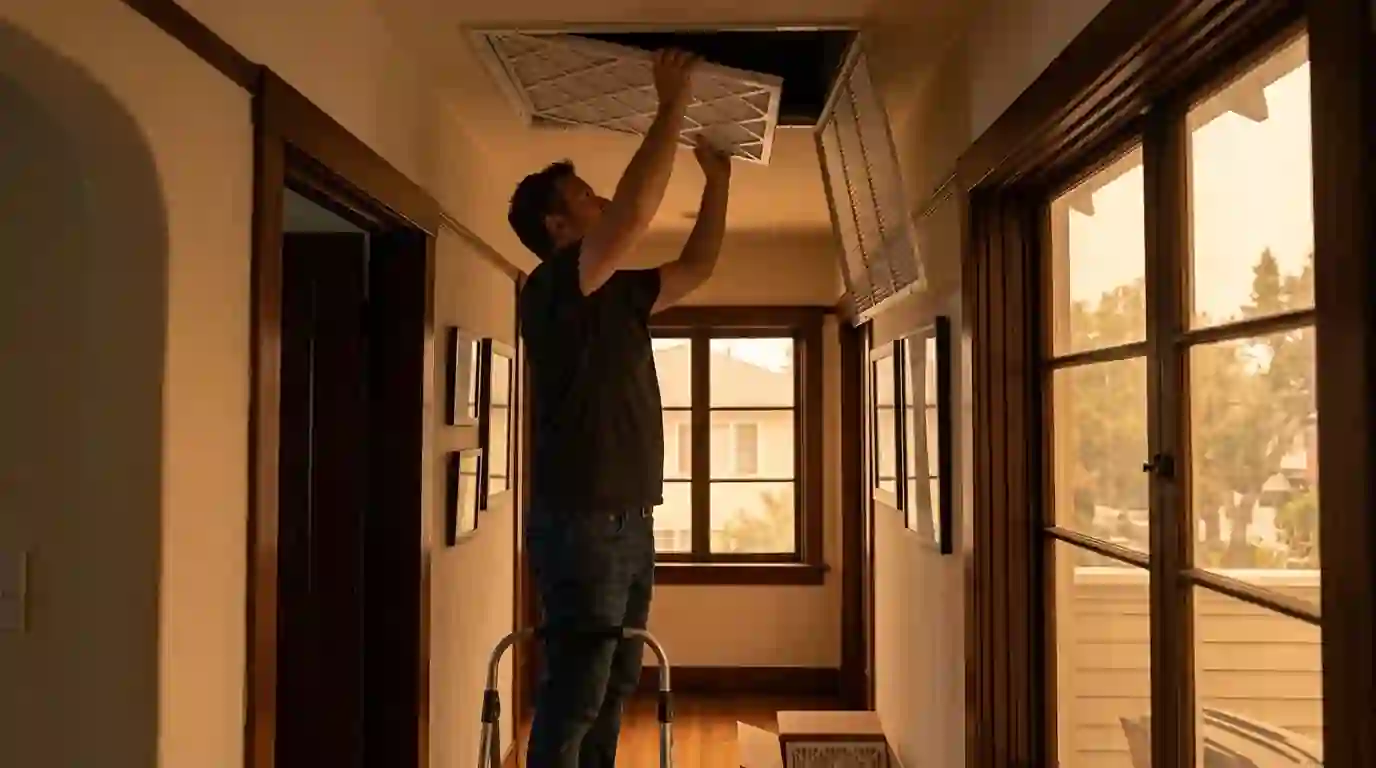
Smoke days are part of life in the San Gabriel Valley. A simple plan for filters, fresh air intakes, recirculation and duct cleaning helps keep indoor air cleaner when the sky turns orange.
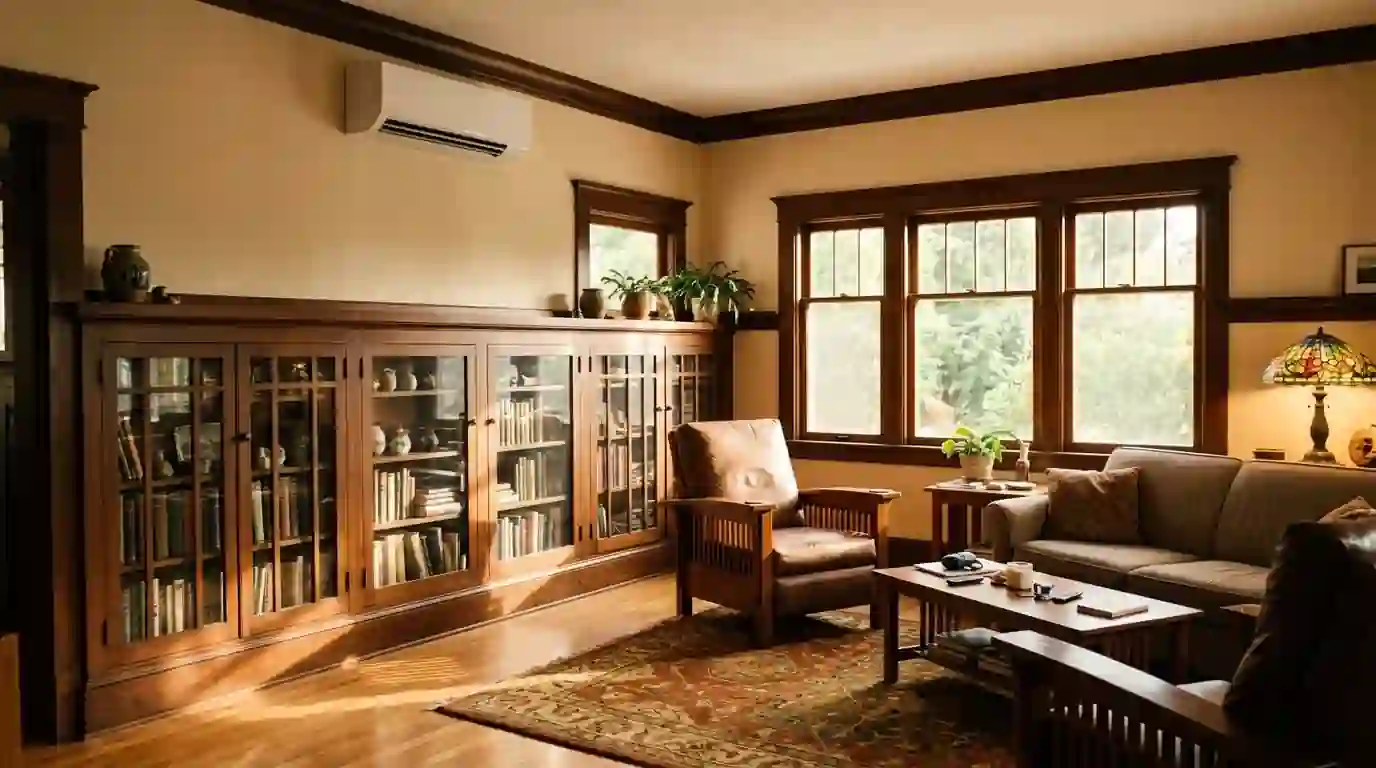
Craftsman bungalows were built for breezes, not air conditioning. Here is how to add real cooling to a 1910s home while keeping the woodwork, plaster and porch looking the way they should.
Call our Pasadena line any hour. A person answers, asks a few questions about the system, and gives you an arrival window.