ADU Heating & Cooling
Heat pump systems for backyard ADUs, garage conversions and junior units, sized correctly for small spaces and built to pass inspection.
Learn moreCooling
AC RepairAC InstallationAC ReplacementAC Tune-Up & MaintenanceRefrigerant Leak RepairAC Compressor ReplacementEvaporator Coil ReplacementAC Water Leak & Drain Line RepairHeating
Furnace RepairFurnace InstallationFurnace ReplacementFurnace Tune-Up & MaintenanceWall Furnace RepairFloor Furnace ReplacementBoiler & Radiant Heat RepairHeat Pumps & Ductless
Heat Pump RepairHeat Pump InstallationHeat Pump MaintenanceGas Furnace to Heat Pump ConversionDuctless Mini-Split InstallationDuctless Mini-Split RepairADU Heating & CoolingDucts & Attic
Duct RepairDuctwork ReplacementAir Duct CleaningDuct Sealing & Leak TestingWhole House Fan InstallationAttic InsulationIndoor Air
Indoor Air Quality TestingWhole-Home Air PurifiersUV Air SanitizersWhole-Home HumidifiersSystems & Commercial
Smart Thermostat InstallationHVAC Zoning SystemsFull HVAC System ReplacementHVAC InspectionHVAC Maintenance Plans24/7 Emergency HVAC RepairCommercial HVAC RepairCommercial HVAC MaintenanceRooftop & Package Unit RepairPasadena
Pasadena (all of the city)Bungalow HeavenMadison HeightsSan RafaelLinda VistaHastings RanchOak KnollAnnandaleProspect ParkHistoric HighlandsGarfield HeightsLamanda ParkSouth ArroyoChapman WoodsNearby cities
AltadenaSouth PasadenaSan MarinoArcadiaSierra MadreMonroviaDuarteGlendaleLa Canada FlintridgeLa CrescentaBurbankAlhambraSan GabrielTemple CityMonterey ParkRosemeadEl MonteAzusaGlendoraCovinaWest CovinaLos AngelesMontroseTujungaBaldwin ParkSouth El MonteMontebelloWhittierHacienda HeightsRowland HeightsLa PuenteWalnutDiamond BarSan DimasLa VerneClaremontPomonaUplandRancho CucamongaOntarioMontclairChino HillsBreaFullertonCounties
Los Angeles CountySan Bernardino CountyOrange CountyBlog
By Odell Rankin, Comfort Blog EditorJuly 28, 20266 min read
Backyard ADUs are small, but they still need real heating and cooling. Here is how to choose between ductless and ducted systems, size them right and plan the work alongside your builder.
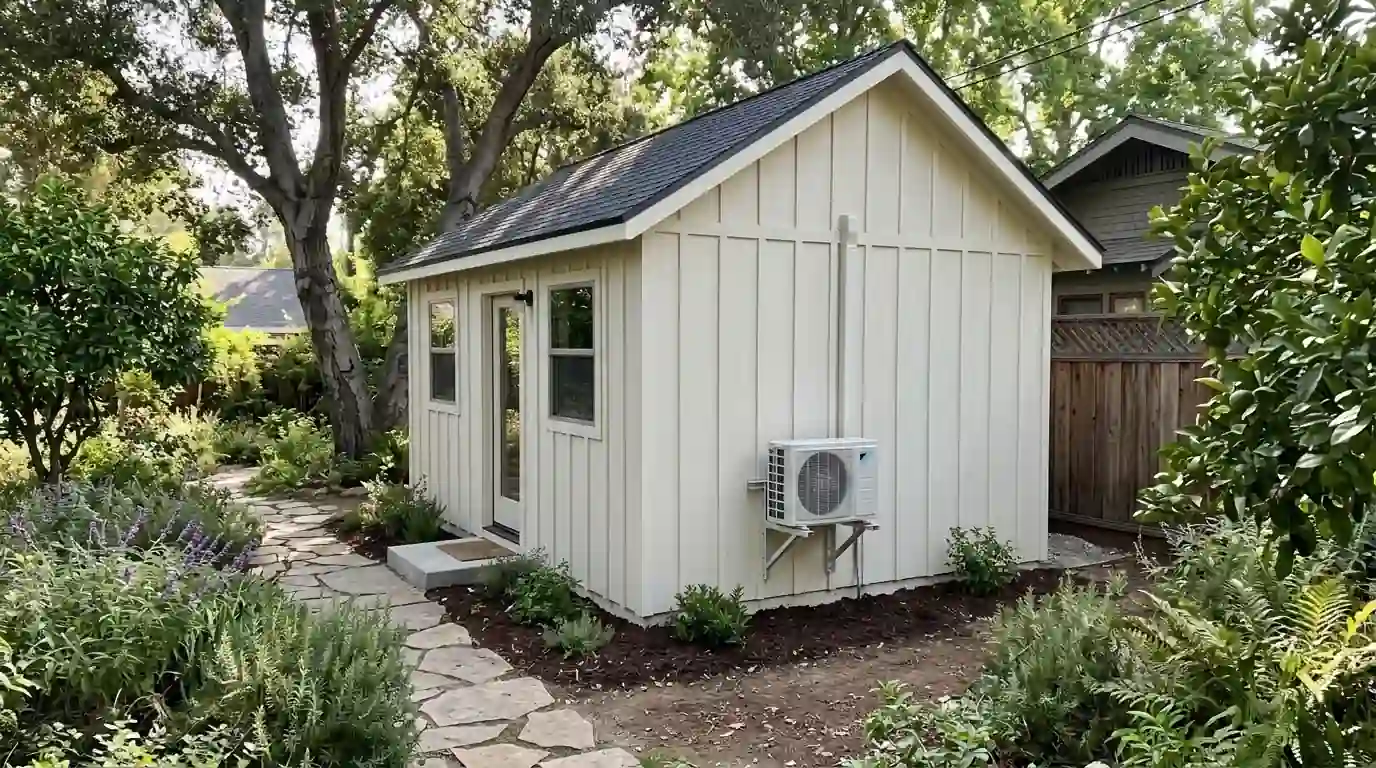
Backyard units are going up all over Pasadena and the San Gabriel Valley: new detached cottages, garage conversions and units over garages. Whether it is for a family member, a rental or a home office, an ADU needs heating and cooling that keeps it comfortable in 100 degree summers and chilly winter nights, without running up the bill or crowding a small floor plan. A small detached unit with sun on its roof all afternoon can get hot fast, and it needs a system that answers quickly and quietly.
Choosing the right system early saves headaches. The decision affects framing, electrical service, roof penetrations and the energy compliance paperwork your designer prepares. Here is how our technicians help homeowners and builders pick heating and cooling for a backyard ADU, whether it is a new detached cottage or a garage that is being turned into living space. The same questions come up on almost every project, and settling them early keeps the build on schedule.
An ADU is small, often well insulated if new, and sometimes very exposed. A detached unit has four exterior walls and its own roof, so it heats up and cools down faster than a room in the main house. A garage conversion may have a concrete slab floor, a lower ceiling and walls that were never insulated when the garage was built. Each of these changes how much heating and cooling the space needs.
Because new ADUs are built to current California energy rules, they tend to need far less capacity per square foot than an older home. That is good news, but it also means oversizing is a real risk. A system that is too big for a tight, small space short cycles, controls humidity poorly and feels uneven. Proper sizing starts with a load calculation for the actual plans.
For most backyard ADUs, a ductless heat pump mini-split is the first option we look at. One outdoor unit connects to one or two indoor heads. There are no ducts to fit into a small attic or soffit, the system heats and cools, and it avoids running a gas line to the back of the lot. Variable speed compressors adjust output to match the space, so they run quietly and steadily.
A studio or one bedroom ADU often works with a single head in the main room, sometimes with a second smaller head in the bedroom if there is a door that stays closed. Indoor heads can be wall mounted, ceiling cassettes or slim floor consoles. The outdoor unit is compact and can sit on a pad or wall bracket along the side of the ADU.
Larger ADUs with two bedrooms, or units where the owner wants no visible indoor equipment, can suit a small ducted system. A compact ducted air handler sits in a closet, a dropped ceiling or a small attic space and feeds short duct runs to each room. Only grilles show. This layout works best when it is planned with the architect, because the ducts need a path through the framing.
Ducts in an ADU should stay inside the insulated envelope where possible, in a dropped soffit or between floors, instead of in a hot attic. If they must go in an attic, they need to be well sealed and insulated. Duct leakage testing is commonly part of energy compliance for new systems, so tight ductwork matters for passing inspection as well as for comfort.
An ADU usually needs its own subpanel or a separate electrical service. The heating and cooling system is often one of its larger loads, along with a water heater, range and laundry. Planning the system early lets the electrician size the subpanel and run the right circuit. Heat pump equipment generally runs on a 240 volt circuit with an outdoor disconnect near the unit.
The outdoor unit needs a spot with clearance for airflow and service, away from bedroom windows on both your property and your neighbor's. Side setbacks in backyards are often narrow, so check the site plan for where equipment is allowed. Line sets and condensate drains should be routed neatly, either inside walls during framing or in a painted cover outside.
The ideal time to bring in an HVAC contractor is during design, before framing. That is when the load calculation, equipment choice and duct or line set routes can be settled and included in the plans. Your designer or energy consultant prepares the Title 24 documents, and the HVAC system has to match what those documents show. Swapping equipment late can mean revised paperwork.
For garage conversions or existing structures, we can visit early to look at framing, wall insulation, the slab and the electrical service. We handle the permit where the city requires one, and coordinate inspection timing with your builder so the HVAC sign-off does not hold up the final. Rough-in usually happens after framing and before insulation and drywall, when line sets, drains and any ducts are set in place. The equipment itself is set and started near the end, once the interior is finished and the dust has settled.
A single zone ductless system for a studio ADU is usually the least expensive path, with two zone systems and compact ducted systems costing more because of the added equipment and labor. Final prices depend on the equipment, the line set length, electrical work and how easy the site is to access. We quote the price before we start the work, and on new builds we can price the job from the plans before the site is ready.
Heat pumps may qualify for incentives. Ask about current PWP, SCE or SoCalGas rebates and state heat pump incentives when funding is open, and check the program rules before buying equipment. If the ADU will be rented, a separate system also makes it easier to keep its energy use apart from the main house. Call (626) 879-0711 to set up a site visit; we answer 24/7.
Related services
Heat pump systems for backyard ADUs, garage conversions and junior units, sized correctly for small spaces and built to pass inspection.
Learn moreDuctless heat pumps for Craftsman bungalows, additions, converted garages and hot upstairs rooms, with head styles chosen room by room.
Learn moreNew ducted and inverter heat pumps sized to your Pasadena home, with permits, line sets, electrical and duct checks included in the quote.
Learn moreQuestions
It depends on the floor area, insulation, windows, ceiling height and which way the unit faces. A new, well insulated studio ADU often needs far less capacity than its square footage would suggest from older rules of thumb, while an uninsulated garage conversion needs more. We size ADU systems with a room by room load calculation from the plans so the system is neither too small for August nor oversized and short cycling.
The HVAC work is usually covered under the ADU building permit or a related mechanical permit, depending on how the city handles the project. Requirements vary between Pasadena and nearby cities. We handle the permit where the city requires one and coordinate with your builder so the mechanical inspection happens at the right stage, along with any duct leakage testing that energy compliance calls for.
Usually not well. Running ducts from the main house to a detached ADU means long runs outdoors or underground, which lose energy, and the main system may not have spare capacity. It also leaves the ADU without independent control. A separate heat pump mini-split or small ducted system for the ADU is the common choice, and it keeps utility use simpler if the unit is rented.
Keep reading
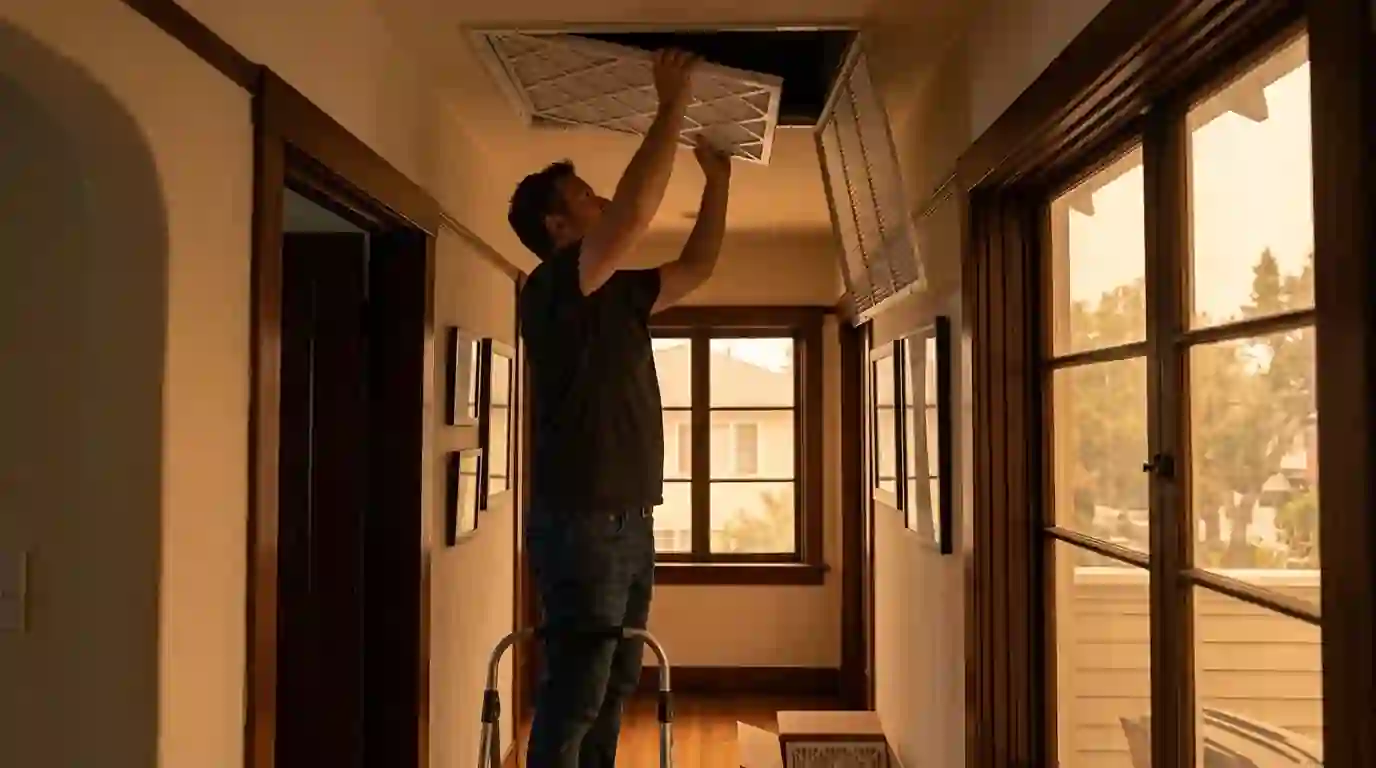
Smoke days are part of life in the San Gabriel Valley. A simple plan for filters, fresh air intakes, recirculation and duct cleaning helps keep indoor air cleaner when the sky turns orange.
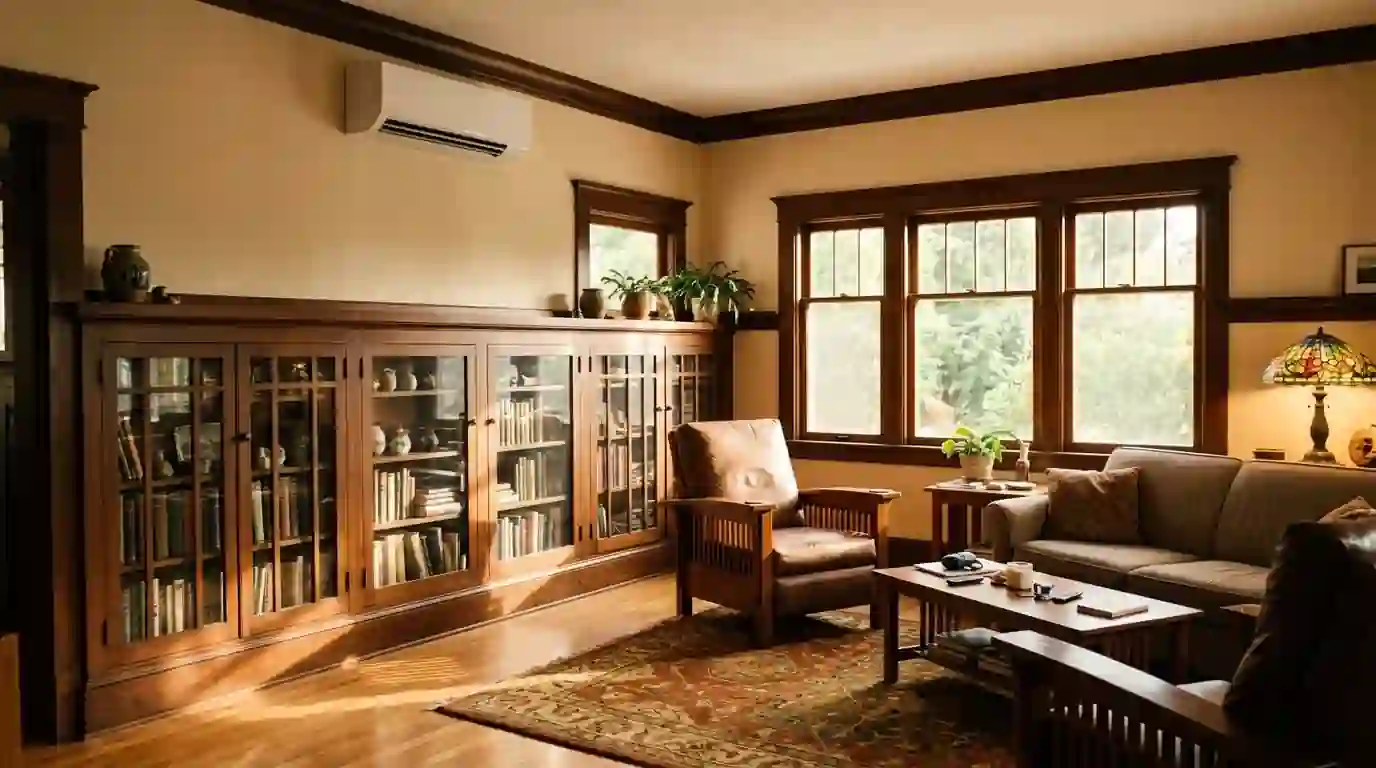
Craftsman bungalows were built for breezes, not air conditioning. Here is how to add real cooling to a 1910s home while keeping the woodwork, plaster and porch looking the way they should.
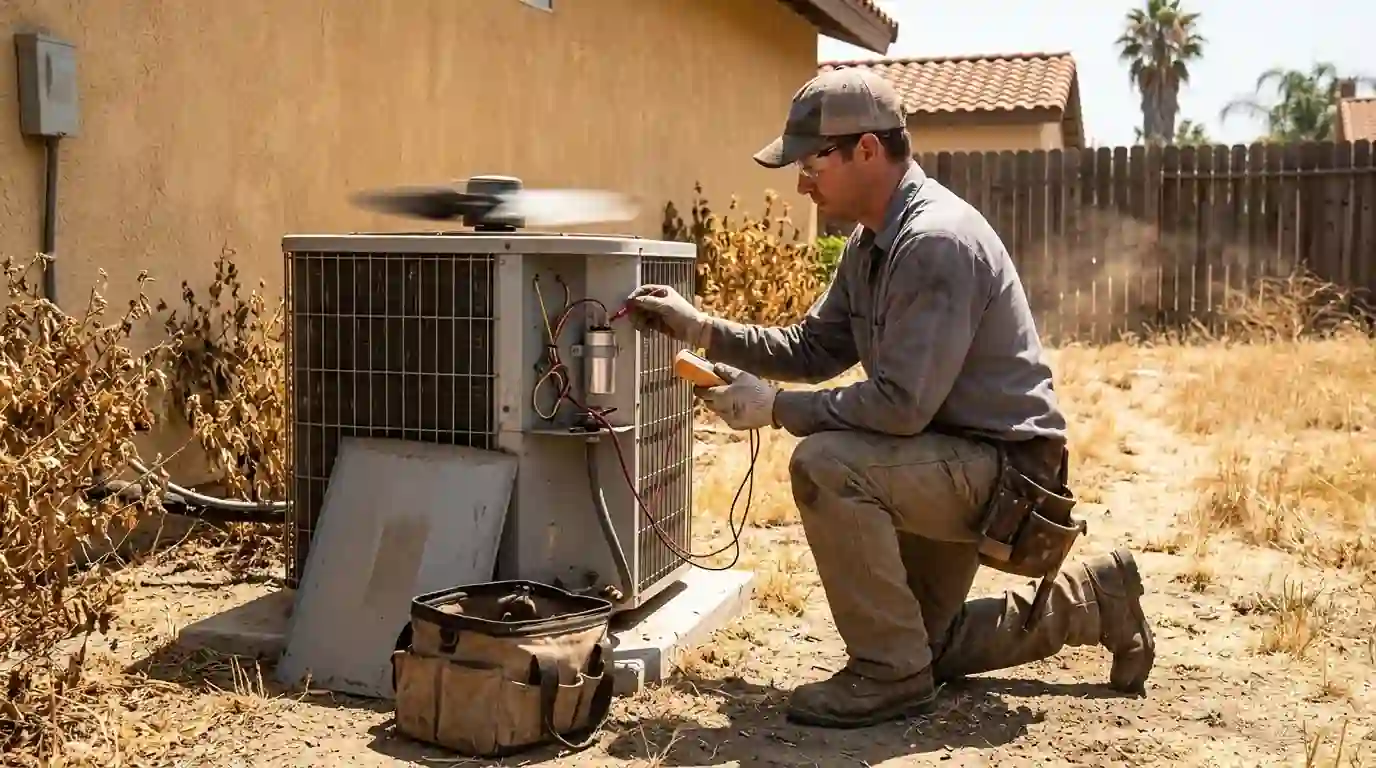
On the hottest San Gabriel Valley afternoons, even a healthy AC can creep a few degrees behind. Here is why it happens, what is normal, and which problems turn a hot day into a breakdown.
Call our Pasadena line any hour. A person answers, asks a few questions about the system, and gives you an arrival window.