Ductless Mini-Split Installation
Ductless heat pumps for Craftsman bungalows, additions, converted garages and hot upstairs rooms, with head styles chosen room by room.
Learn moreCooling
AC RepairAC InstallationAC ReplacementAC Tune-Up & MaintenanceRefrigerant Leak RepairAC Compressor ReplacementEvaporator Coil ReplacementAC Water Leak & Drain Line RepairHeating
Furnace RepairFurnace InstallationFurnace ReplacementFurnace Tune-Up & MaintenanceWall Furnace RepairFloor Furnace ReplacementBoiler & Radiant Heat RepairHeat Pumps & Ductless
Heat Pump RepairHeat Pump InstallationHeat Pump MaintenanceGas Furnace to Heat Pump ConversionDuctless Mini-Split InstallationDuctless Mini-Split RepairADU Heating & CoolingDucts & Attic
Duct RepairDuctwork ReplacementAir Duct CleaningDuct Sealing & Leak TestingWhole House Fan InstallationAttic InsulationIndoor Air
Indoor Air Quality TestingWhole-Home Air PurifiersUV Air SanitizersWhole-Home HumidifiersSystems & Commercial
Smart Thermostat InstallationHVAC Zoning SystemsFull HVAC System ReplacementHVAC InspectionHVAC Maintenance Plans24/7 Emergency HVAC RepairCommercial HVAC RepairCommercial HVAC MaintenanceRooftop & Package Unit RepairPasadena
Pasadena (all of the city)Bungalow HeavenMadison HeightsSan RafaelLinda VistaHastings RanchOak KnollAnnandaleProspect ParkHistoric HighlandsGarfield HeightsLamanda ParkSouth ArroyoChapman WoodsNearby cities
AltadenaSouth PasadenaSan MarinoArcadiaSierra MadreMonroviaDuarteGlendaleLa Canada FlintridgeLa CrescentaBurbankAlhambraSan GabrielTemple CityMonterey ParkRosemeadEl MonteAzusaGlendoraCovinaWest CovinaLos AngelesMontroseTujungaBaldwin ParkSouth El MonteMontebelloWhittierHacienda HeightsRowland HeightsLa PuenteWalnutDiamond BarSan DimasLa VerneClaremontPomonaUplandRancho CucamongaOntarioMontclairChino HillsBreaFullertonCounties
Los Angeles CountySan Bernardino CountyOrange CountyBlog
By Odell Rankin, Comfort Blog EditorJune 23, 20267 min read
Craftsman bungalows were built for breezes, not air conditioning. Here is how to add real cooling to a 1910s home while keeping the woodwork, plaster and porch looking the way they should.
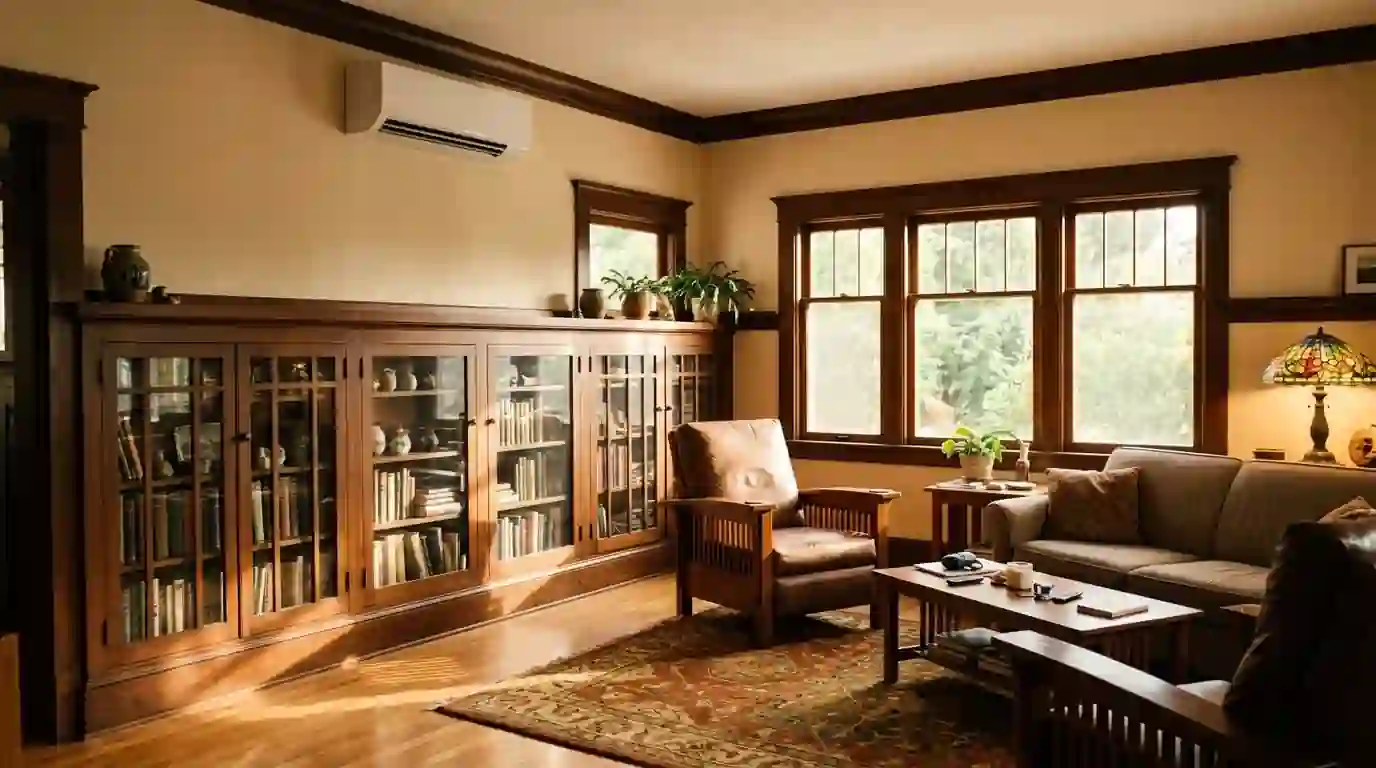
Most Craftsman bungalows in Pasadena went up between about 1905 and 1925, long before anyone expected a house to stay at 74 degrees in August. They were designed to breathe: deep eaves, big porches, operable windows on every side and a low attic that vents through the gable ends. That design still helps on a mild day. On a 100 degree afternoon in Bungalow Heaven or Garfield Heights, though, a plaster-walled bungalow with an uninsulated attic can hold heat well into the night, and the window unit in the bedroom only cools one room.
The good news is that cooling an old bungalow does not mean cutting into old growth fir trim or boxing in the beamed ceiling. The right plan starts with the attic and the crawlspace, then picks equipment that fits the house instead of forcing the house to fit the equipment. Below is how our technicians think through it, room by room, before anyone quotes a system.
Before choosing any equipment, look at three things: the attic, the crawlspace and the existing heat source. Many bungalows still run on a floor furnace in the hallway or a gas wall furnace, with no ducts anywhere. Some had a furnace and ducts added in the 1950s or 1970s, usually run through the crawlspace with floor registers. Each of those starting points leads to a different answer. A home with usable crawlspace ducts may only need new ductwork and a modern system, while a home with no ducts at all is often a strong candidate for ductless.
The attic matters just as much. Bungalow attics are often shallow, with low-pitch roofs and only a few feet of headroom at the center. That limits where an air handler or new ducts can go. Our technician measures the clear height, checks for knob and tube wiring that may still be live, and looks at how much insulation is there, which in many original homes is close to none.
An uninsulated bungalow attic can run far hotter than the outdoor air on a summer afternoon, and that heat radiates straight down through lath and plaster ceilings. Adding attic insulation and sealing the obvious gaps around light fixtures, the attic hatch and old chimney chases can make a noticeable difference in how much cooling the house needs. It also helps in winter, when Pasadena nights drop into the 30s and 40s.
Doing this work first changes the math. A bungalow that might have needed a larger system before insulation may be comfortable with a smaller one afterward, and smaller equipment costs less to buy and run. We size systems with a room-by-room load calculation rather than a rule of thumb, because original windows, porch shading and the direction the house faces all shift the numbers.
For a bungalow that has never had ducts, a ductless mini-split is often the least invasive path. One outdoor unit connects to one or more indoor heads through a small line set that passes through a hole about three inches across. There is no need to open walls or ceilings to run ductwork, and modern heat pump mini-splits heat as well as cool, which can retire a tired wall furnace at the same time.
The trade-off is appearance. A wall-mounted head is visible, and in a living room with original wainscoting that can feel out of place. Options include placing heads high on plain wall sections, using low floor-mounted consoles under windows, or using small ceiling cassettes where the attic allows. Line sets can run through closets or down the back of the house inside a painted cover that matches the siding.
If the attic has enough room, a compact ducted air handler can sit in the attic with short duct runs to ceiling registers in each room. This hides almost everything: the only visible parts are small grilles and a thermostat. A slim ducted mini-split works well for a bungalow because the indoor unit is much smaller than a full furnace and coil, and it fits low attics better.
Homes with an existing crawlspace duct system can often keep the floor register layout. In that case the old ducts usually need replacement or sealing, because original metal ducts in crawlspaces tend to have open joints, crushed sections and little or no insulation. Cool air leaking into a crawlspace does nothing for the rooms above. When a system is replaced, California energy rules can require a duct leakage test, and we handle the permit where the city requires one.
The condenser is the part neighbors see. On a bungalow, the side yard or rear corner is usually the best spot, away from the porch and front facade. Several Pasadena neighborhoods with bungalows are designated landmark districts, so it is worth asking the city whether equipment visible from the street needs any design review before work starts. Low fencing or plantings can screen the unit, as long as they leave enough clearance for airflow and service access.
Noise matters too in close-set lots. Variable speed condensers run quietly at low speed most of the time and only ramp up on the hottest afternoons. We look at the distance to the neighbor's bedroom window, the pad location and the line set route together, so the unit is easy to service and does not end up under a dripping eave or a pile of leaves.
Old houses reward careful work. Our technicians lay drop cloths over old growth floors, cut wall penetrations from the outside where possible, and seal every hole against drafts and pests. Plaster is fragile, so we drill rather than hammer, and we keep dust contained in the room being worked on. If we find asbestos-wrapped ducts or old pipe insulation in the crawlspace, we stop and tell you before anything is disturbed, because that material needs proper handling.
Electrical capacity is the other common surprise. Many bungalows still have small service panels, and adding a heat pump or AC can push them to the limit. We check the panel during the first visit so the quote reflects what the house really needs. We quote the price before we start the work, and you can ask about current PWP, SCE or SoCalGas rebates and state heat pump incentives when funding is open.
Related services
Ductless heat pumps for Craftsman bungalows, additions, converted garages and hot upstairs rooms, with head styles chosen room by room.
Learn moreAir sealing first, then blown-in insulation to the right depth, so your ceilings stop radiating attic heat into the rooms.
Learn moreOld floor grate heaters removed and replaced with a new floor furnace, a wall furnace, a ducted system or a ductless heat pump.
Learn moreQuestions
Often, yes. Ducts can run through the attic to ceiling registers or through the crawlspace to floor registers, so walls stay closed. Where neither space works, ductless mini-split heads need only a small hole for the line set. The technician confirms attic height, crawlspace access and panel capacity on the first visit before recommending a layout, so you know which rooms get registers or heads before any work is scheduled.
It depends on the house. A bungalow with no ducts and a shallow attic usually suits ductless, with heads placed on plain wall sections or low consoles under windows. A bungalow with a roomy attic or a sound crawlspace duct path can take a compact ducted air handler, which hides almost everything. Many homeowners pick a mix: ducted for the main rooms and a single ductless head for a sunroom or converted porch.
Sometimes. Many original bungalows still have small service panels with little spare capacity. A modern variable speed heat pump or mini-split draws less than older equipment, but it still needs a dedicated circuit. Our technician checks the panel and the available breaker space during the first visit and tells you if an electrician needs to upgrade the service before the system goes in, so the quote has no surprises.
Keep reading
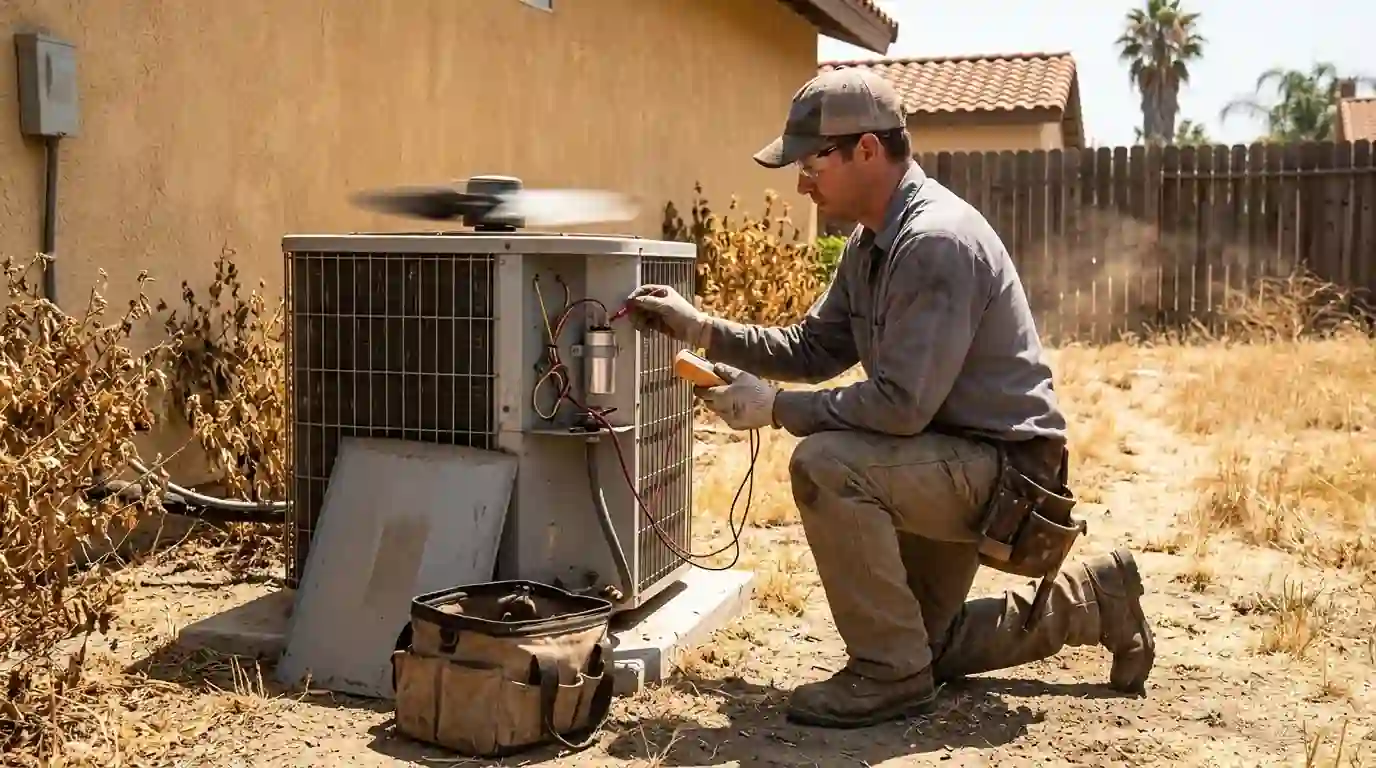
On the hottest San Gabriel Valley afternoons, even a healthy AC can creep a few degrees behind. Here is why it happens, what is normal, and which problems turn a hot day into a breakdown.
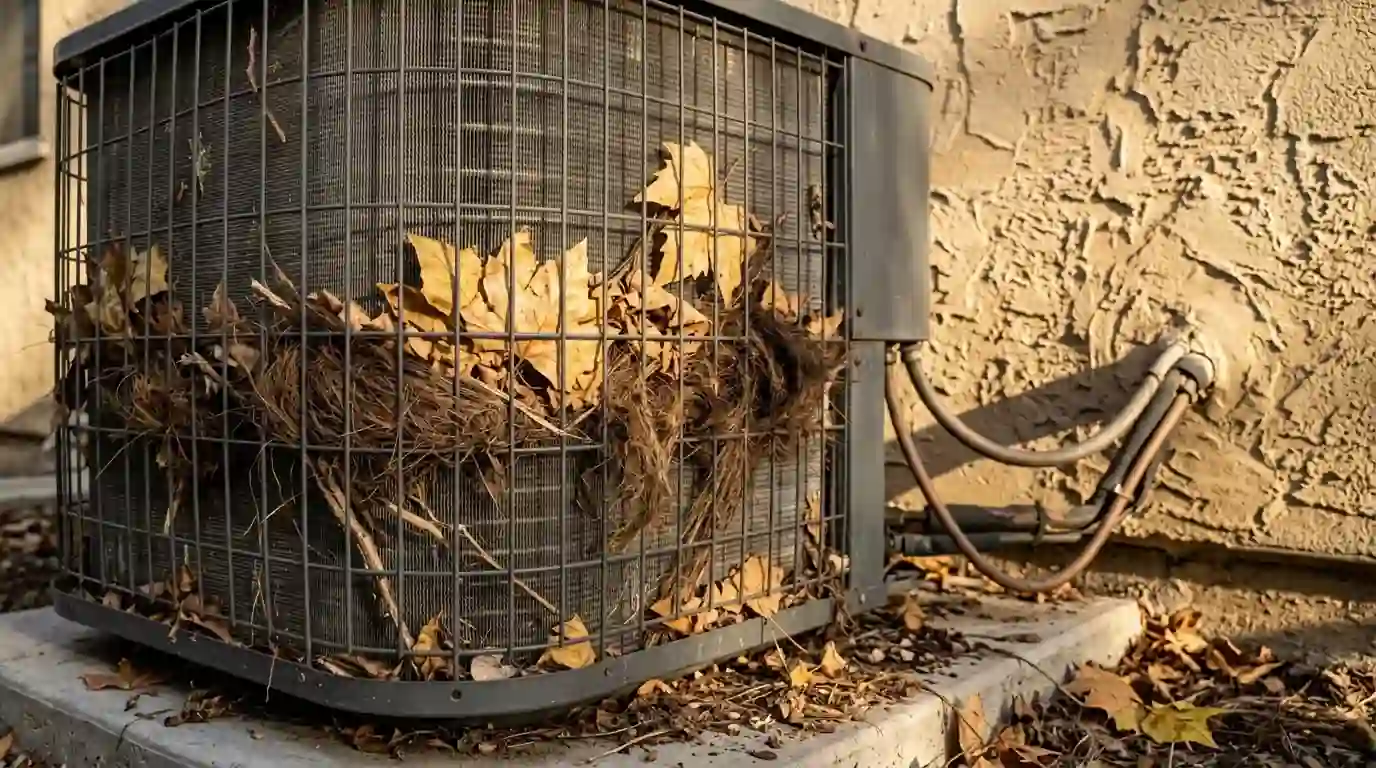
Hot, dry Santa Ana winds push dust, leaves and grit into every gap. Here is what that does to filters, condenser coils and attic ducts, and a simple after-wind checklist for San Gabriel Valley homes.
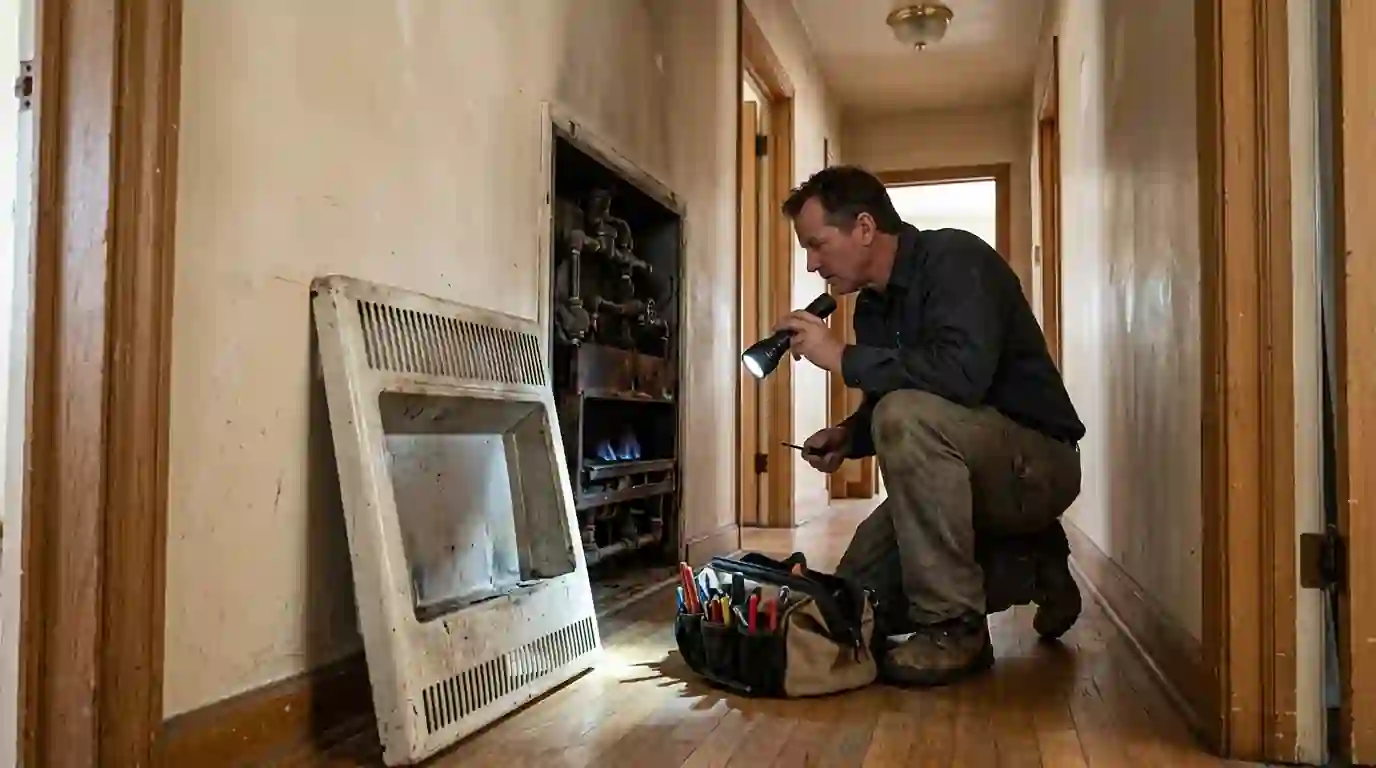
Thousands of older San Gabriel Valley homes still heat with a gas wall furnace. Here is what to look at before the first cold night, what a technician checks, and when repair stops making sense.
Call our Pasadena line any hour. A person answers, asks a few questions about the system, and gives you an arrival window.