AC Replacement
Swap a worn-out air conditioner for a correctly sized SEER2 system, with duct testing and permit work handled in one job.
Learn moreCooling
AC RepairAC InstallationAC ReplacementAC Tune-Up & MaintenanceRefrigerant Leak RepairAC Compressor ReplacementEvaporator Coil ReplacementAC Water Leak & Drain Line RepairHeating
Furnace RepairFurnace InstallationFurnace ReplacementFurnace Tune-Up & MaintenanceWall Furnace RepairFloor Furnace ReplacementBoiler & Radiant Heat RepairHeat Pumps & Ductless
Heat Pump RepairHeat Pump InstallationHeat Pump MaintenanceGas Furnace to Heat Pump ConversionDuctless Mini-Split InstallationDuctless Mini-Split RepairADU Heating & CoolingDucts & Attic
Duct RepairDuctwork ReplacementAir Duct CleaningDuct Sealing & Leak TestingWhole House Fan InstallationAttic InsulationIndoor Air
Indoor Air Quality TestingWhole-Home Air PurifiersUV Air SanitizersWhole-Home HumidifiersSystems & Commercial
Smart Thermostat InstallationHVAC Zoning SystemsFull HVAC System ReplacementHVAC InspectionHVAC Maintenance Plans24/7 Emergency HVAC RepairCommercial HVAC RepairCommercial HVAC MaintenanceRooftop & Package Unit RepairPasadena
Pasadena (all of the city)Bungalow HeavenMadison HeightsSan RafaelLinda VistaHastings RanchOak KnollAnnandaleProspect ParkHistoric HighlandsGarfield HeightsLamanda ParkSouth ArroyoChapman WoodsNearby cities
AltadenaSouth PasadenaSan MarinoArcadiaSierra MadreMonroviaDuarteGlendaleLa Canada FlintridgeLa CrescentaBurbankAlhambraSan GabrielTemple CityMonterey ParkRosemeadEl MonteAzusaGlendoraCovinaWest CovinaLos AngelesMontroseTujungaBaldwin ParkSouth El MonteMontebelloWhittierHacienda HeightsRowland HeightsLa PuenteWalnutDiamond BarSan DimasLa VerneClaremontPomonaUplandRancho CucamongaOntarioMontclairChino HillsBreaFullertonCounties
Los Angeles CountySan Bernardino CountyOrange CountyBlog
By Odell Rankin, Comfort Blog EditorSeptember 4, 20266 min read
New residential AC and heat pump equipment now uses lower-GWP A2L refrigerants such as R-454B and R-32. Here is what changed, what it means for your existing R-410A system and what to expect at replacement.
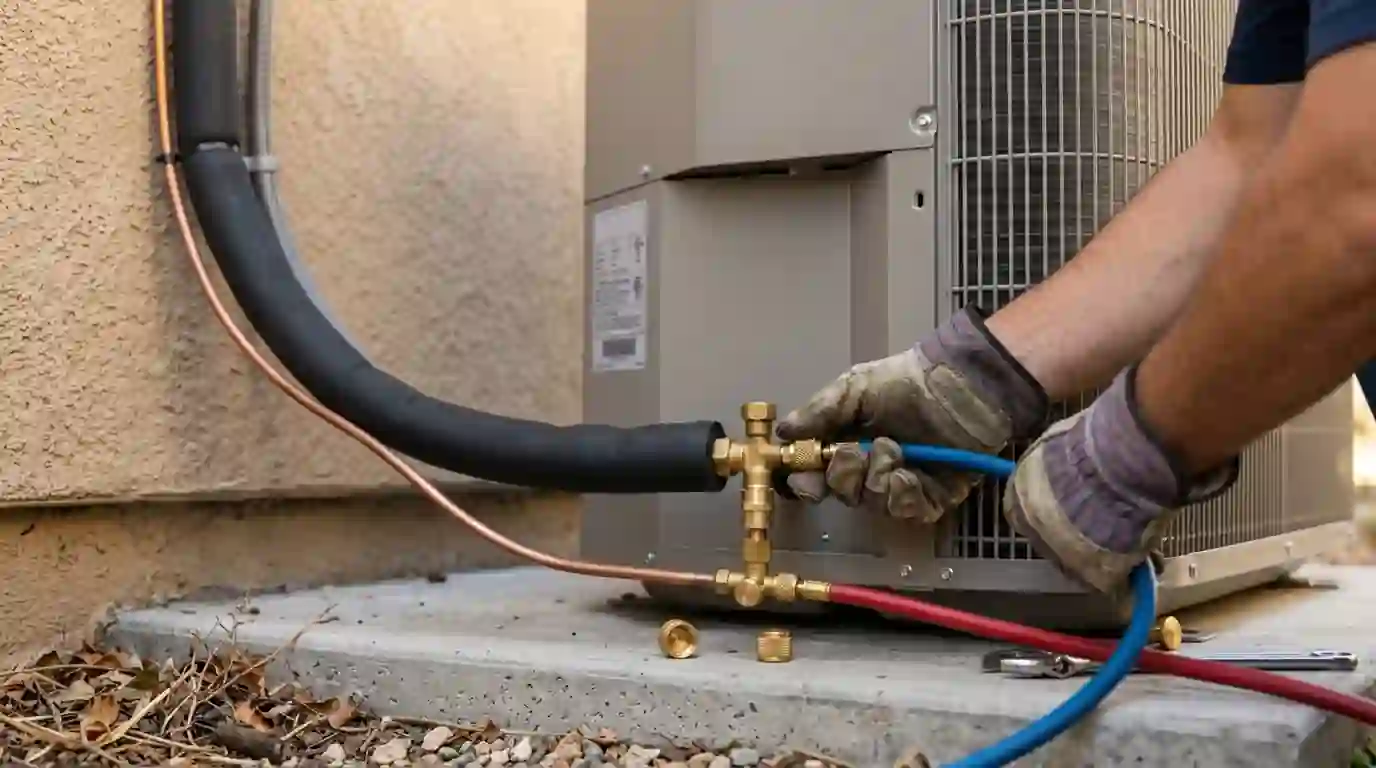
If you have shopped for a new AC or heat pump recently, you may have seen refrigerant names like R-454B or R-32 in the specs instead of the familiar R-410A. That is not a marketing change. Under federal rules that grew out of the AIM Act, new residential air conditioning and heat pump equipment began moving to lower global warming potential refrigerants starting in 2025, and most of those replacements fall into a safety class called A2L.
For Pasadena and San Gabriel Valley homeowners, the shift raises practical questions. Is my current system obsolete? Can I mix old and new parts? Are these refrigerants safe? Here is a plain explanation of what changed and what it means for repairs and replacements. It stays with what is settled: the type of refrigerant in new equipment, how it differs from R-410A, and what that means when a technician services or replaces your system.
Refrigerants are the working fluid that carries heat out of your home. R-410A has been the standard in residential systems for many years. It does not harm the ozone layer, but it has a high global warming potential, meaning a leak has a large effect on climate compared with the same amount of carbon dioxide. The AIM Act gave federal regulators authority to phase down these high-GWP refrigerants over time.
As part of that phase-down, manufacturers moved new residential AC and heat pump equipment to lower-GWP options. The two you will see most often are R-454B and R-32. Both have a much lower global warming potential than R-410A and work at similar pressures, so they behave in a familiar way in a home system. The change applies to new equipment; it does not require anyone to remove a working system.
Refrigerants are grouped by toxicity and flammability. The A in A2L means lower toxicity. The 2L means mildly flammable: harder to ignite than many common household fuels, and slow burning if it does ignite, but not completely nonflammable like R-410A, which is rated A1. That difference is why A2L equipment comes with added safety design rather than simply a new label.
In practice, the risk is managed through how the equipment is built and installed. Refrigerant charge limits are tied to room size, indoor units include leak detection, and technicians follow specific handling practices for these refrigerants. For a homeowner, the main thing to know is that a properly installed A2L system is designed to be safe in an ordinary home.
An A2L system is designed as a set. The outdoor unit, the indoor coil or air handler, and the controls need to be matched for the same refrigerant and the same safety features. You cannot put an R-454B condenser on an old R-410A coil, or add A2L refrigerant to an R-410A system. The parts, the oil and the safety controls are all different.
That has a cost effect. Where a homeowner might once have replaced only the outdoor condenser and kept a newer indoor coil, an A2L replacement generally means replacing both. If the furnace or air handler is older too, that is often a good time to replace the whole system so everything matches and is under the manufacturer warranty. Registration matters, so make sure new equipment is registered with the manufacturer.
Many A2L indoor units include a refrigerant sensor. If it detects a leak, the system responds, usually by running the indoor blower to disperse the refrigerant and shutting down the compressor. That is a normal safety function, not a malfunction, though it does mean there is a leak to find and repair. The thermostat or control may show an error code when it happens.
Installation details matter more than before. Technicians follow the manufacturer's instructions for charge limits, equipment location, and how the sensor is wired to the controls. Line sets are brazed and pressure tested carefully, and electrical connections near the indoor unit follow the instructions for A2L equipment. We handle the permit where the city requires one, and California energy rules can require duct and refrigerant verification on replacements.
If your current system uses R-410A and works well, there is no need to replace it because of the refrigerant change. R-410A remains serviceable for existing systems. Technicians can still repair leaks, replace parts and recharge the system with R-410A. Over time, as supply of R-410A tightens, refrigerant costs may change, so a system with a recurring leak becomes more expensive to keep topped up.
That is a good reason to fix leaks properly instead of recharging year after year. If an R-410A system is older and needs a major repair, such as a compressor or a coil, it is worth comparing that repair cost against a new matched A2L system. Our technician can lay out both options. Systems that still use R-22 are a different case; that refrigerant has been out of production for some time and is costly to source.
When you get quotes for a new AC or heat pump, ask which refrigerant the equipment uses, whether the quote includes a matching indoor coil or air handler, and whether the existing line set will be reused or replaced. Ask how the leak sensor is set up and what the thermostat shows if it trips. A clear quote covers all of it.
Our technicians install and service both R-410A and A2L systems across Pasadena and the San Gabriel Valley. If your current system still runs well, we are just as glad to keep it going with proper maintenance and leak repair. We quote the price before we start the work. Ask about current PWP, SCE or SoCalGas rebates and state heat pump incentives when funding is open. Call (626) 879-0711; we answer 24/7.
Related services
Swap a worn-out air conditioner for a correctly sized SEER2 system, with duct testing and permit work handled in one job.
Learn moreNew ducted and inverter heat pumps sized to your Pasadena home, with permits, line sets, electrical and duct checks included in the quote.
Learn moreWe trace refrigerant leaks with electronic detectors, bubble tests and nitrogen pressure, then repair and recharge by weight.
Learn moreQuestions
A2L refrigerants are classed as lower toxicity and mildly flammable, meaning they are hard to ignite and burn slowly if they do. Equipment using them is designed with that in mind: charge limits tied to room size, built-in leak detection on many indoor units, and specific installation rules. A properly installed A2L system is designed to be safe in an ordinary home. Proper installation by a trained technician is the important part.
Yes. R-410A remains serviceable for existing systems, so technicians can still repair leaks, replace parts and recharge with R-410A. The change applies to new equipment. Refrigerant prices can shift as supply changes, so it makes sense to fix leaks properly rather than topping up each summer. If an older R-410A system needs a major repair, compare that cost against a new matched system before deciding.
A2L systems are designed as matched sets. The outdoor unit, indoor coil or air handler and controls must use the same refrigerant and include the right safety features, such as the leak sensor. An A2L condenser cannot be connected to an R-410A coil, and the refrigerants and oils are not interchangeable. Replacing both keeps the system working as designed and protects the manufacturer warranty.
Keep reading
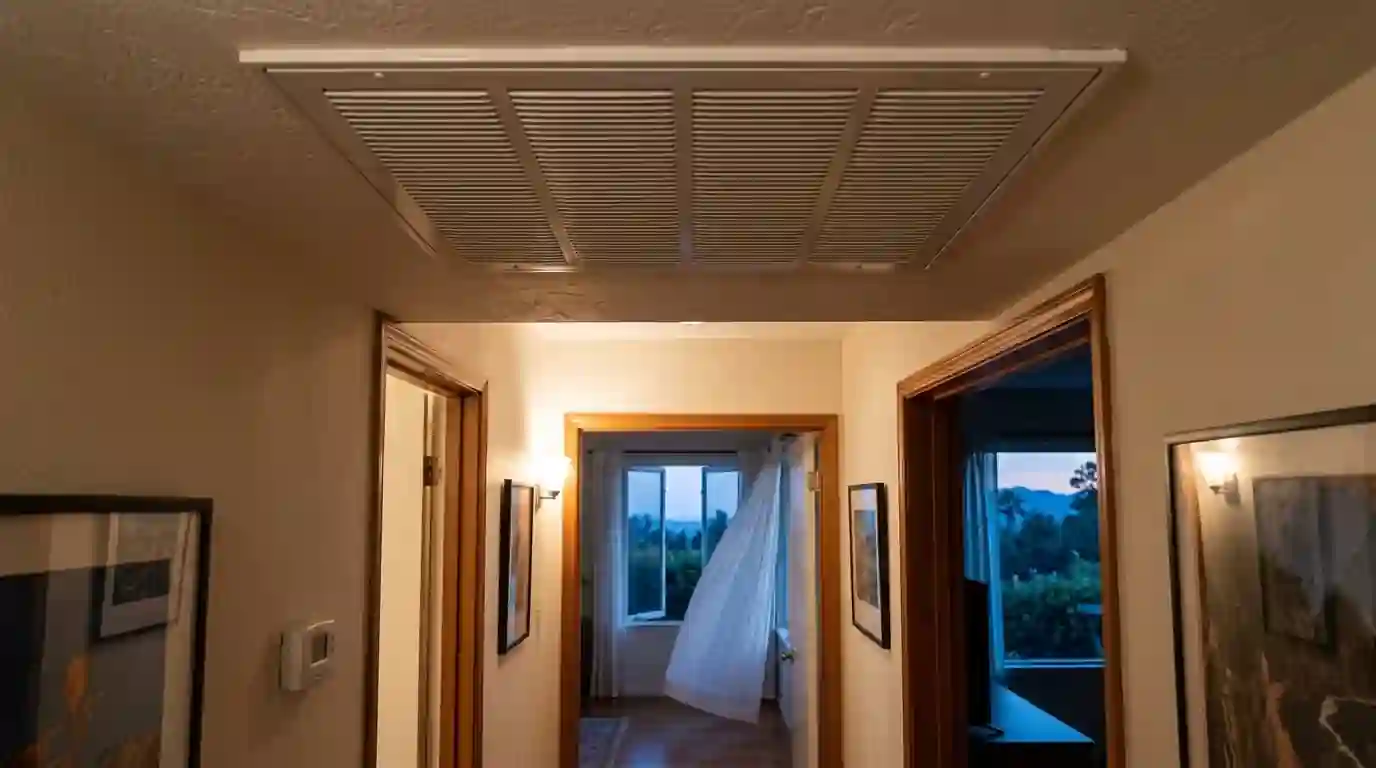
Pasadena often cools off fast after sunset. A whole house fan can flush the day's heat out cheaply, but it is not a substitute for AC on every night. Here is how to choose and how to use both.
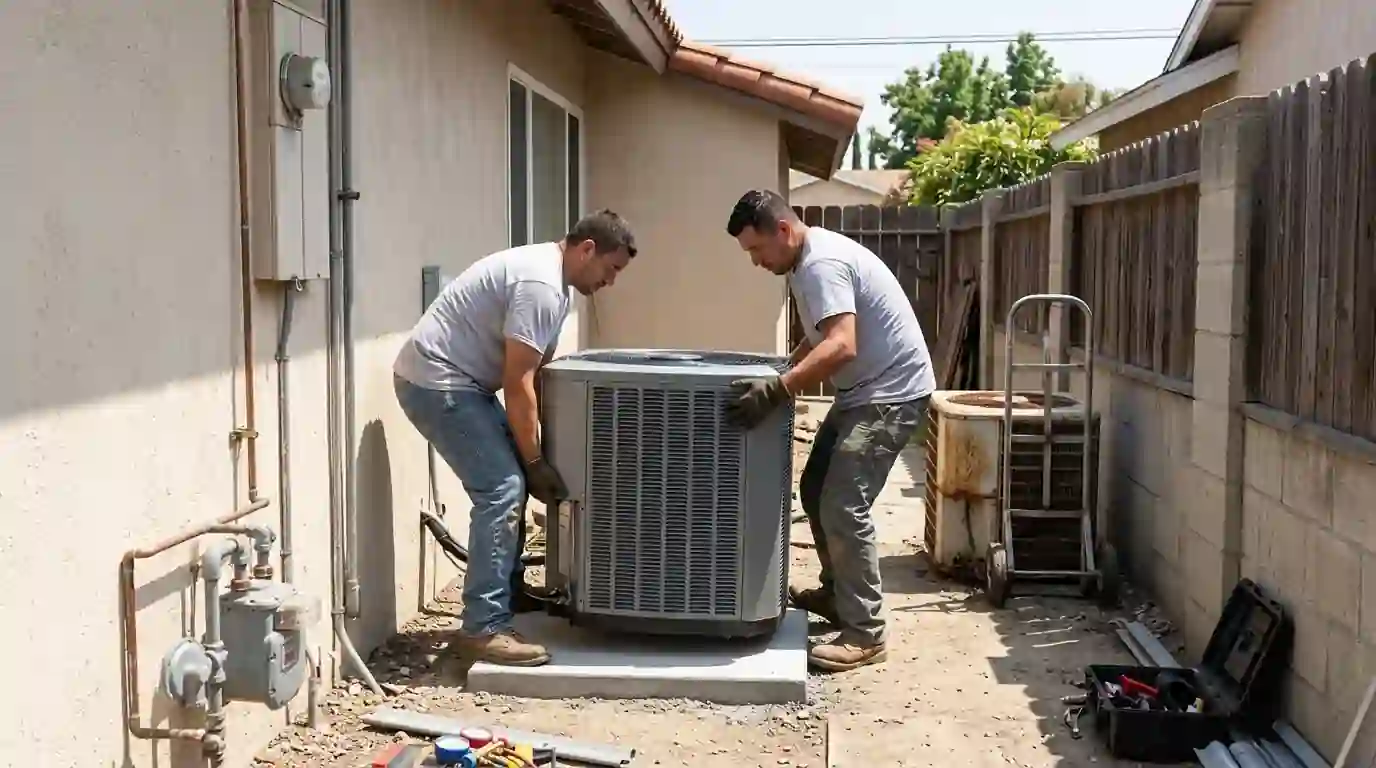
Typical 2026 price ranges for replacing central AC, heat pumps and ductless systems in Pasadena and nearby cities, with a plain look at the ducts, panels, permits and access issues that move the number.
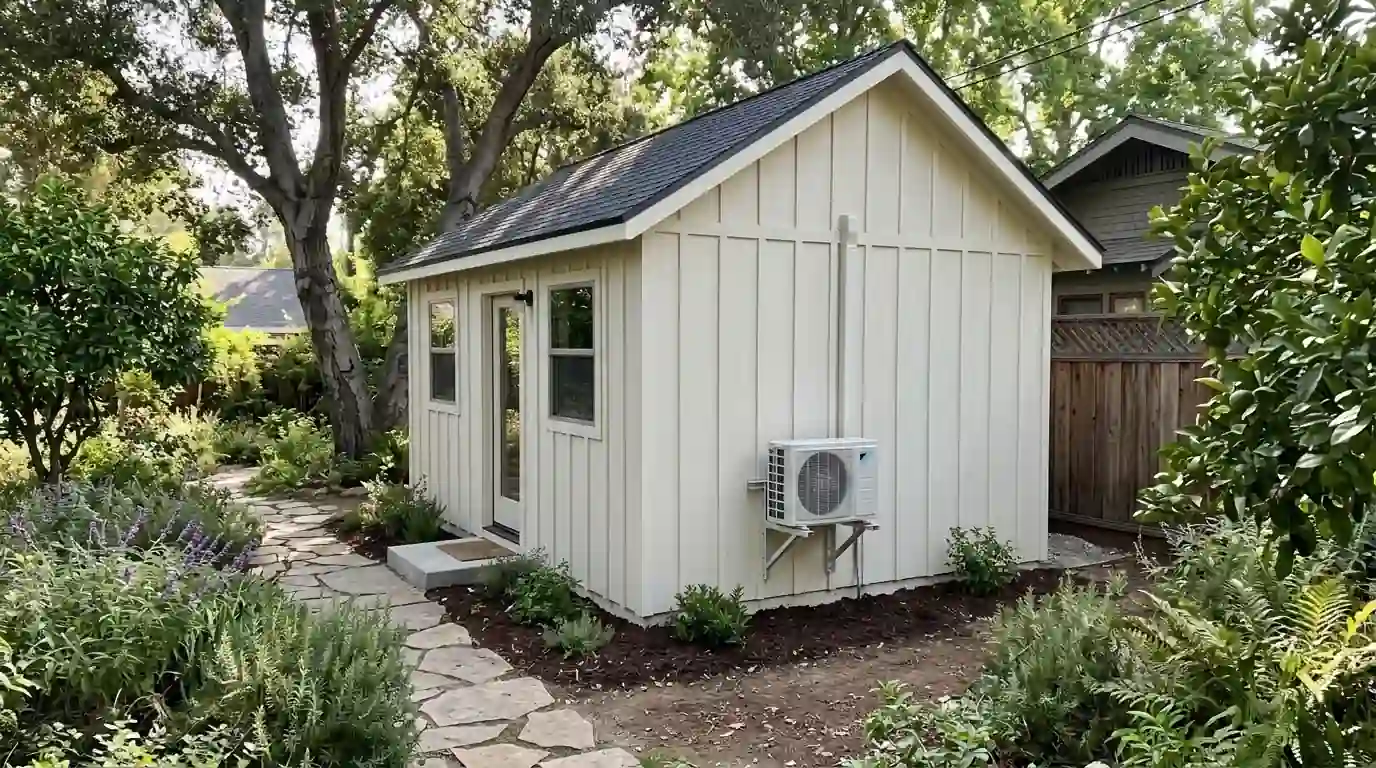
Backyard ADUs are small, but they still need real heating and cooling. Here is how to choose between ductless and ducted systems, size them right and plan the work alongside your builder.
Call our Pasadena line any hour. A person answers, asks a few questions about the system, and gives you an arrival window.